The Ghana cedi has recorded more than three consecutive weeks of appreciation against the US dollar on the interbank market, supported by increased foreign exchange supply from the Ghana Gold Board (GoldBod).
GoldBod has announced plans to supply US$1.5 billion in foreign exchange to authorised commercial banks and the Bank of Ghana in October 2026 as part of efforts to sustain the local currency’s recovery and strengthen stability in the foreign exchange market.
Under the programme, US$1 billion is earmarked for authorised commercial banks, while another US$500 million is expected to go to the Bank of Ghana for reserve accumulation.
Ghana's economy to hit $128.64 billion in 2026, remain Africa's 8th largest – IMF
The interventions are intended to improve dollar liquidity, ease pressure on the cedi and support stability in the foreign exchange market.
The planned supply follows a reported US$130 million spot foreign exchange sale at GH¢11.60 to the dollar, highlighting GoldBod’s role in increasing the availability of foreign currency in the market.
What it means for the cedi
The increased supply of US dollars could help sustain the cedi’s appreciation by making foreign currency more readily available to banks and businesses.
Importers and other businesses that require dollars to pay for goods, services and international transactions could benefit from improved access to foreign exchange. This could ease demand pressures and help limit sharp fluctuations in the exchange rate.
The planned US$500 million allocation to the Bank of Ghana for reserve accumulation could also support the country’s external buffers, depending on how the funds are received and managed. Stronger foreign exchange reserves can help the central bank respond to external shocks and reinforce confidence in the economy.
A more stable cedi could also help reduce the local currency cost of imported goods, including fuel, food, medicines and machinery, provided international prices remain stable. This could help contain imported inflation and ease some cost pressures on households and businesses.
However, the sustainability of the cedi’s gains will depend on several factors, including the actual delivery of the planned foreign exchange, demand for dollars, export earnings, investor confidence and broader developments in the foreign exchange market.
Oil prices rise above $110 as fresh attacks hit Saudi Arabia
While GoldBod’s interventions could provide support, sustained currency stability will also require stronger foreign exchange earnings and effective management of demand for dollars.
DR/MA
Inside Ghana’s First 950,000-Barrel Sankofa Oil Shipment | Exclusive Tour
Business News of Thursday, 22 October 2026
Source: www.ghanaweb.com
Cedi records three weeks of gains as GoldBod boosts forex supply
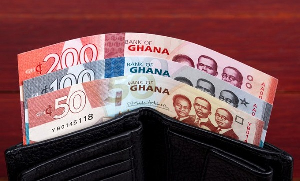 File photo of Ghana cedi