Correspondence from the Bono Region
Long before the rumble of excavators echoed across the landscape in the Bono Region, the region known for its fertile farmlands, thriving forests and flowing rivers was regarded as a “no-go area” for illegal mining.
Sadly, that enviable reputation is increasingly being threatened because galamsey has begun to alter the region’s environmental and economic landscape, pushing deeper into farmlands, forest reserves and river bodies once considered the lifeblood of the communities.
The evidence of illegal mining is glaring as thousands of galamseyers have besieged communities such as Amomaso, Atronie, Wamfie, Dormaa-Akwamu, Wewa, Banda Nkwanta, Benkasa, Nanasuano, Biadam, Akontanim, and Kyeremasu and several other communities in the region in a wanton search for gold regardless of the consequences.
Lessons from other mining communities have left residents deeply worried that what they are witnessing today could become tomorrow’s legacy of scarred farmlands, poisoned rivers and dwindling livelihoods, leaving future generations to pay the price for today’s mining boom.
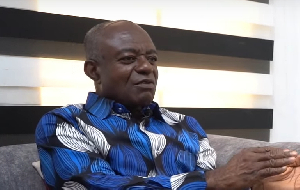
Mr Oppong Sylvester, a 60-year-old resident of Amomaso, looks back with nostalgia at a time when galamsey was unheard of in the community, but that memory, he admits, has now been replaced by growing anxiety as mining activities encroach on farmlands and threaten the very foundation of livelihoods built on agriculture.
“At first, there was no illegal mining in this community. We hardly heard of such activities here, and our farmlands and water bodies were largely protected. But the situation has changed dramatically over time. Illegal mining has gradually found its way into the community and is now being carried out with little sign of stopping”.
Communities pay the price of a poisoned landscape
Madam Faustina Serwaa stands silently on the banks of the once-vibrant Asuowam at Wamfie, her face etched with sadness and disappointment, as a river that no longer resembles the lifeline it once was flows before her.
According to her, the pollution of the river is not merely an environmental concern but a warning of a much bigger crisis waiting to unfold because what is happening to the river today could have far-reaching consequences for future generations in relation to having access to clean water.
“I am worried that the river in this community has been polluted and that is a greater danger for this community and all other communities that depend on the river for their daily activities”.
Within Berekum and surrounding communities, their once-pristine environment has begun to bear the scars of illegal mining as the pollution of Rivers Amoma, Nshimura and Kura now threatens water sources that have long supported farming and other livelihoods.
According to the Dabehene of the Berekum Traditional Area, Nana Oppong Boateng Dartey, the growing contamination of water bodies has made it increasingly difficult for farmers to rely on the water for irrigation.
“Just three months ago, people could use water from the Amoma River, Nshimura and Kura for irrigation, watering vegetables and even for cooking. Today, the water has turned brown, milky and completely unusable,” Nana Dartey bemoaned.
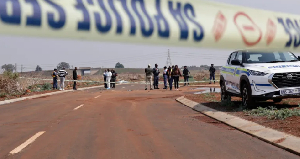
He added that beyond the destruction of the environment, galamsey is also fuelling growing social tensions as communities are increasingly witnessing protests, confrontations and clashes which in some cases, have turned deadly.
REGSEC signals tougher action
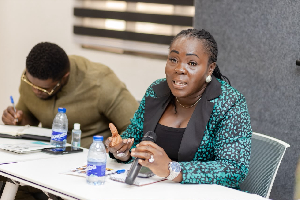
As galamsey activities continue to take a toll on the region, there is mounting pressure on the Bono Regional Minister, Joseph Addae Akwaboa, over what residents describe as a slow response to repeated warnings about illegal mining.
But Joseph Addae Akwaboa has denied these allegations by indicating that he remains determined to support enforcement measures aimed at protecting the region’s water resources, farmlands and environment from further degradation caused by galamsey.
“We will not sit down for galamsey to happen. Yes, we are combating galamsey. It is not that easy, but it doesn't mean that we shouldn't combat it," Mr Akwaboa stressed.
Regional News of Sunday, 9 August 2026
Source: www.ghanaweb.com
From Fertile Lands to Polluted Rivers: Bono Region bears cost of galamsey
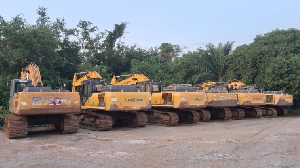 Seized excavators during galamsey clampdown