The Deputy Director of the Pentecost Men’s Ministry, Barima Acheampong Sarpong II, has called on men across the country to play a more active role in mentoring and supporting the boy-child, stressing the need for balanced attention between boys and girls in society.
Speaking to journalists on the sidelines of the International Day for the Boy Child celebration, organised by the Church of Pentecost School Outreach Ministry in collaboration with PEMEM and the Ghana Education Service (GES), Barima Acheampong Sarpong II noted that although significant emphasis has been placed on empowering the girl-child over the years, there is also an urgent need to focus on the development of boys.
According to him, recent statistics indicate that the growth and development of the boy-child are gradually declining, making it necessary for society to take deliberate action.
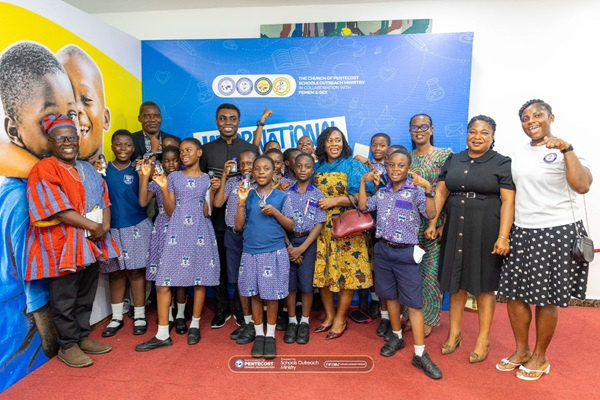
“Over the years, I think the emphasis has been on the girls, and we believe there should be a balance. Statistics have shown that the growth and impact of the boy-child are dwindling. But I believe the time is now for us to do something,” he said.
He used the occasion to further urge men to intentionally mentor at least one boy in their communities, families, or churches to help guide them through life challenges.
“I want to use this medium to call on all men. As we celebrate today, let’s identify one boy. You don’t need two, just one boy. Get closer to the boy and find out how he is doing. Let’s dedicate some time to them and lead them.
“The boys are looking for mentors, men who have gone through life, failed, and risen again. Men who truly understand what can help the next generation live a better life,” he added.
The National Coordinator of the Schools Outreach Ministry, Frank Mensah Tandoh, also called for greater attention to be paid to the emotional and social development of the boy-child, stressing that society cannot thrive when one gender receives more focus than the other.
He further emphasised that the same energy and attention given to the girl-child should equally be extended to the boy-child, noting that discussions surrounding the welfare and development of boys are often downplayed.
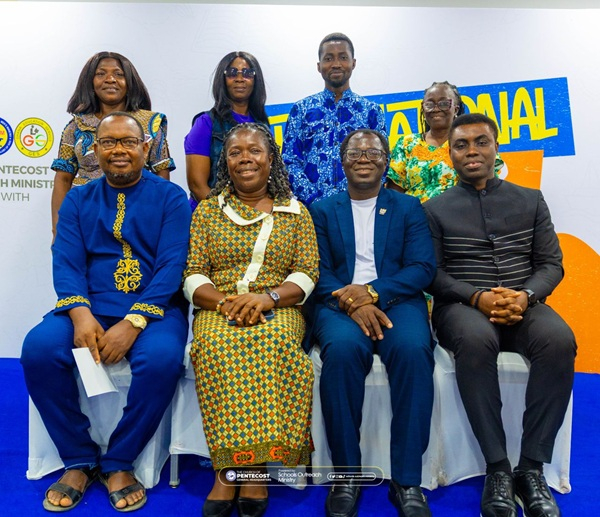
“Every single time it is time to celebrate the girl-child, we do so fully. But when it comes to the boy-child, it is often toned down. That is why we are stepping in to help bring balance and equilibrium into the system so that equal attention is given to both the girl-child and the boy-child,” he added.
The event held in Accra on April 15, 2026, brought together religious leaders, parents, youth advocates, and members of the public to discuss issues affecting the boy-child and strategies aimed at empowering young boys to become responsible individuals who contribute positively to their families and communities.
JHM/AM
Regional News of Friday, 15 May 2026
Source: www.ghanaweb.com
Boy-child must not be ignored - Pentecost leaders call for equal attention in society
 A group picture taken during the International Day for the Boy Child celebration organised by COP



Entertainment