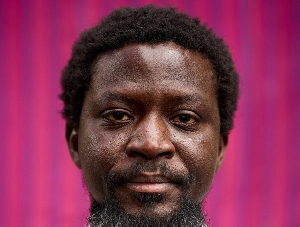
The Pro Vice-Chancellor for Research, Innovation and Development at the University of Ghana, Prof Samuel Nii Ardey Codjoe, has called for renewed efforts to revive Ghana’s forgotten traditional foods, warning that the shift towards modern diets could be causing the country to lose some of its most nutritious food options.
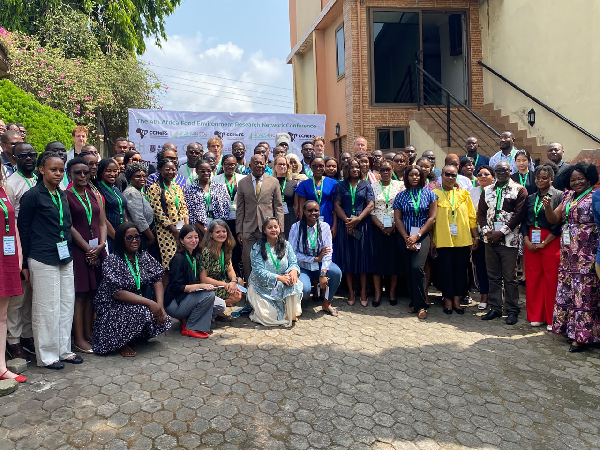
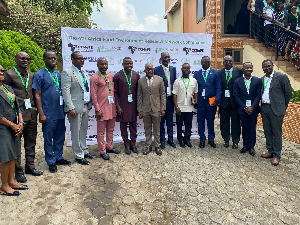
Speaking at the FERN2026 Conference in Aburi, he urged researchers and nutrition experts to investigate traditional foods that were once common in Ghanaian communities but are gradually disappearing from people’s diets.
Reflecting on his childhood in Teshie, a coastal community in Accra, Prof Codjoe recalled the variety of wild fruits and traditional food combinations that people consumed in the past, expressing concern that many of these nutritious options were no longer commonly eaten.
“When I was growing up, there used to be a lot of food that we ate. In fact, there used to be a lot of wild fruits that you could pick and eat, and a number of combinations of foods that we used to eat in the past.
“But as we speak, I don’t know whether all those foods are forgotten or whether people have stopped making them. And mind you, these were very nutritious foods,” he said.
He questioned whether the growing preference for modern foods and changing lifestyles had contributed to the decline in traditional diets, stressing the need to explore ways of bringing such foods back into everyday consumption.
Prof Codjoe also raised concerns about cultural food taboos that prevent some people from consuming certain nutritious foods, particularly among pregnant women and specific ethnic communities.
He cited research he conducted in the Afram Plains, where he was told that pregnant women were not allowed to eat boiled eggs, despite their nutritional value.
He also mentioned snails, which are a good source of protein but are avoided by some cultural groups because of traditional beliefs and taboos.
“I was told that pregnant women are not allowed to eat boiled eggs, and I don’t know what the reasons are. If you look at some of our cultural groups in this country, snails, for example, are a very good source of protein. It is not eaten by certain categories of Ghanaians in terms of certain cultures. And the question is, why?” he queried.
He called for research into the origins and implications of such food restrictions, arguing that Ghana must reconsider some of these practices as it confronts growing nutrition and climate-related challenges.
The University of Ghana Pro Vice-Chancellor further emphasised the importance of translating research findings into practical interventions, noting that academic research must deliver tangible benefits to society.
He also acknowledged the role of the Food Environment Research Network (FERN), describing it as an example of the university’s commitment to connecting research with policy and practical solutions.
Prof Codjoe called on parliamentarians to use their legislative, financial and oversight responsibilities to support evidence-based policies that promote healthier food environments.
Adding to the concerns about Ghana’s changing food habits, Professor Charles Agyemang of the University Medical Center (UMC), Netherlands, has warned that unhealthy diets are contributing to the rising cases of non-communicable diseases, including hypertension, diabetes and heart diseases.
In a media interview at the FERN2026 Conference in Aburi, he explained that the Generation H project, which focuses on improving nutrition and physical activity among adolescents in Ghana and Kenya, seeks to address these growing health concerns by promoting healthier lifestyles among young people.
He noted that the decline in the consumption of traditional foods and the increasing availability of unhealthy food options pose a threat to the health of children and adolescents. Prof Agyemang stressed that investing in the nutrition and physical activity of young people is essential to preventing future health complications, adding that healthier children are more likely to become healthier adults.
“Before, we used to eat traditional food which was very healthy and others. But these days, you don't have that opportunity anymore. There are so many different foods that are not healthy for us to be able to live very healthily. And so for the Generation H project, which fit very well with the FERN, is to try to basically tackle this problem head-on,” Prof Agyemang stated.
Health News of Saturday, 28 November 2026
Source: www.ghanaweb.com
‘Ghanaians are abandoning nutritious traditional foods for modern diets’ - Prof Codjoe raises concern
 Researchers urged to study Ghana’s disappearing traditional foods