The Ghana Health Service (GHS) has warned of possible meningitis outbreaks, dehydration, heat exhaustion and respiratory infections as Ghana prepares for the anticipated effects of the El Niño weather phenomenon during the harmattan season.
The Service is urging residents, particularly those in northern Ghana and other vulnerable communities, to take preventive measures against the expected hot, dry and dusty conditions.
In a public health alert issued by the Ministry of Health and signed by its Director-General, Dr Samuel Kaba Akoriyea, the GHS said forecasts by the Ghana Meteorological Agency (GMet) point to weather conditions that could increase the population's exposure to several climate-related health risks.
It cautioned that prolonged dry spells, rising temperatures and increased dust levels could worsen existing health vulnerabilities, particularly the risk of respiratory infections and meningitis.
The Service identified the Northern, Upper East, Upper West, Savannah, North East and Bono East regions among the areas requiring intensified public education and preventive action.
Parents, teachers, traditional authorities, religious leaders, community organisations and local government authorities have consequently been asked to step up public education and encourage residents to adopt protective health practices.
However, the GHS stressed that the El Niño phenomenon does not automatically mean Ghana will experience a meningitis outbreak.
"While El Niño phenomenon does not automatically mean that Ghana will experience a meningitis outbreak, the anticipated hot, dry and dusty conditions make early preparedness essential," the statement said.
The Service also warned that sudden rainfall and flooding in parts of southern Ghana could create additional public health concerns, requiring residents to remain alert and take appropriate precautions.
It assured the public that it would continue monitoring the weather situation and provide updates as necessary.
The warning comes as health authorities prepare for the seasonal health challenges associated with hot, dry and dusty weather, particularly in parts of northern Ghana where meningitis is a recurring public health concern.
EA
Health News of Wednesday, 18 November 2026
Source: www.ghanaweb.com
Ghana Health Service warns of meningitis, heat risks as El Niño approaches
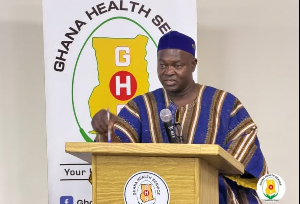 Photo of Director-General of Ghana Health Service, Dr Samuel Kaba Akoriyea