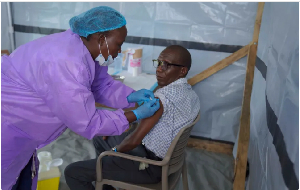
The Ministry of Heath led by Kwabena Mintah Akandoh has outlined measures to prevent any occurence of the deadly Ebola in Ghana.
These measures are being implemented after reports of Ebola cases in Kenya, Nigeria and other African countries which, to the Ghanaian populace, comes close to Ghana especially when Nigeria remains one of the closest neighbouring countries.
In a press release signed by the Minister, the Health Ministry in collaboration with the relevant authorities is ensuring an "enhanced surveillance at points of entry including strengthened airport screening measures".
Mintah Akandoh further disclosed the measures to include "simulation exercises at the Accra International Airport and the Ghana Infectious Disease Centre to assess and improve readiness to respond to suspected cases. Follow-up with travellers from high-risk areas throughout their stay in Ghana, in line with public health protocols.
Strengthen laboratory preparedness, including updating Standard Operating Procedures" and sensitise healthcare workers to "enhance awareness, preparedness, and appropriate management of suspected cases".
Furthermore, public education and risk communication at the Accra International Airport is being provided to travellers with "relevant information on Ebola prevention and the actions to take if symptoms develop".
These measures, the Minister noted, are aimed at strengthening Ghana's capacity to "prevent, detect, and respond to any potential Ebola case".
He also conscientised the general public to carefully note the signs and symptoms of this lethal disease, stating that "Ebola spreads through direct contact with the blood or body fluids of an infected person, or with contaminated materials. It is not airborne".
"Ebola virus disease symptoms typically start 2 to 21 days (average 8 to 10 days) after exposure. These include high-grade fever, severe headache, extreme fatigue, sore throat, chills and later unexplained bleeding and confusion."
He cautioned "anyone who falls ill and has any of the above symptoms after travelling to an affected area, or after contact with a suspected or confirmed case, should seek prompt medical care and disclose their travel history to health workers".
Also, "travellers from affected areas would have their health monitored for 21 days".
The Health Ministry urged the public to "practise good hand hygiene and avoid contact with anyone showing unexplained fever, vomiting, diarrhoea or bleeding" and "do not spread unverified information. Follow official updates from health authorities".
Guns and Drugs: Dr Adam Bonaa Warns of Growing Security Threat to Ghana
Health News of Thursday, 22 October 2026
Source: classfmonline.com
Ebola Alert: Ghana puts stringent measures in place at airport and other entry points
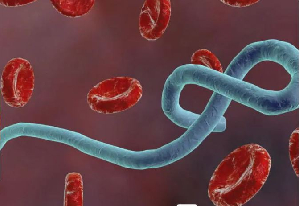 File photo of Ebola virus



Entertainment