While oranges may be one of the first fruits that come to mind when thinking about vitamin C, several other fruits and vegetables contain high amounts of the essential nutrient, which is widely associated with supporting the immune system.
Adding a variety of fruits and vegetables, such as guava, mangoes, peppers, broccoli and leafy greens, to your meals can help you meet your daily vitamin C needs.
A report by foodie.com has highlighted some foods that can provide more vitamin C than an orange.
1. Acerola cherries
Acerola cherries, also known as West Indian or Barbados cherries, are among the richest natural sources of vitamin C.
A 100-gram serving can provide about 1,680 milligrams of vitamin C, many times more than the amount found in an orange.
The tart fruit also contains antioxidants, including carotenoids, anthocyanins and flavonoids. Fresh acerola may not be readily available everywhere, but it can also be found in powdered and other processed forms.
2. Bell peppers
Bell peppers are another surprisingly rich source of vitamin C, regardless of their colour.
They can easily be added to salads, stews, stir-fries and other meals, making them a practical way to increase vitamin C intake.
3. Blackcurrants
Blackcurrants may not be as common as oranges, but they pack a considerable amount of vitamin C.
A 100-gram serving provides about 181 milligrams of the nutrient. The small, dark berries also contain antioxidants and can be eaten fresh or added to smoothies and other dishes.
4. Guava
Guava is one of the more familiar fruits on this list and is an excellent source of vitamin C.
A 100-gram serving provides about 228 milligrams of vitamin C, considerably more than an orange.
5 reasons to make millet a regular part of your diet
The fruit also contains dietary fibre and antioxidants, making it a nutritious addition to a fruit salad, smoothie or snack.
5. Ataulfo mango
Mango lovers have another reason to enjoy the fruit. The Ataulfo, or honey mango, is particularly rich in vitamin C.
A 100-gram serving provides about 168 milligrams of vitamin C. The fruit also provides dietary fibre and potassium.
6. Mustard spinach
Mustard spinach may be less familiar by name, but this leafy green is another powerful source of vitamin C.
It provides about 130 milligrams per 100 grams and can be eaten raw when young or cooked and added to soups and stews when more mature.
7. Brussels sprouts
Brussels sprouts may not be everyone's favourite vegetable, but they are packed with nutrients.
A 100-gram serving provides about 143 milligrams of vitamin C, along with fibre and calcium. They can be roasted, steamed or added to other vegetable dishes.
8. Broccoli
Broccoli also beats oranges when the two are compared by weight.
A 100-gram serving contains about 91 milligrams of vitamin C, slightly more than the roughly 83 milligrams found in a medium orange.
The vegetable is also a source of potassium, fibre and several other vitamins and minerals.
9. Kale
Kale provides about 93 milligrams of vitamin C per 100 grams, putting it slightly ahead of an orange when measured by weight.
It also contains vitamins A and K, as well as dietary fibre, and can be added to salads, soups and other meals.
10. Rose hips
Rose hips are the small fruits that develop on rose plants and are another concentrated source of vitamin C.
A 100-gram serving can provide about 426 milligrams of vitamin C. They are commonly used to make products such as jellies, syrups and teas.
JKB/MA
Why Is Flying Within Ghana So Expensive? AWA Founder Explains
Health News of Monday, 21 September 2026
Source: www.ghanaweb.com
These foods have more vitamin C than oranges
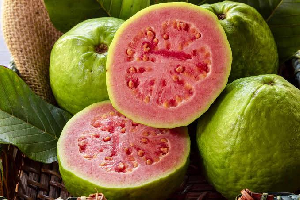 Guava is one of the fruits that contains more vitamin C than an orange