Millet is a group of small-seeded cereal grains that has been cultivated for thousands of years and remains an important food crop in many parts of the world.
It is particularly common in developing countries because some varieties can grow well in hot and dry conditions where other crops may struggle.
According to Organic Facts, millet, unlike a single type of grain, refers to several related species of grasses.
Some commonly known varieties include pearl millet, finger millet, foxtail millet and proso millet.
What makes millet nutritious?
Millet is valued for its nutritional content. It provides dietary fibre, protein, vitamins and minerals, making it a useful addition to a balanced diet.
It is also naturally gluten-free, which means it can be suitable for people who need to avoid gluten.
Its fibre content can support healthy digestion, while its minerals and other nutrients contribute to various functions in the body.
Nutritional benefits of Hausa koko you did not know of
How is millet consumed?
Millet is a versatile grain that can be prepared in several ways. It can be cooked and eaten as a cereal, made into porridge, incorporated into snacks or ground into flour for making bread and other baked products.
In parts of Africa, millet is also traditionally used to prepare various local dishes and beverages.
What are the possible health benefits?
Supports heart health
As a whole grain, millet can form part of a diet that supports cardiovascular health. Diets rich in whole grains and fibre are generally associated with better heart health.
May help with blood sugar management
Millet provides fibre, and some varieties have a relatively low glycaemic index. Including fibre-rich whole grains in meals may help with blood sugar control when combined with an overall healthy diet.
Promotes digestion
The dietary fibre in millet can help support regular bowel movements and healthy digestive function. Adequate fibre intake is important for preventing constipation.
Provides antioxidants
Millets contain phenolic compounds and other antioxidant substances. Antioxidants help protect cells from oxidative stress and form part of a healthy, varied diet.
Di 11 healthiest cereals
Provides important minerals
Millet contains minerals such as magnesium, phosphorus, iron and zinc, although the amounts vary depending on the variety and how the grain is processed.
Is millet good for everyone?
For most people, millet can be part of a healthy and varied diet. However, eating millet alone does not prevent or treat diseases.
People with specific medical conditions or dietary requirements should consider their overall diet and seek professional advice where necessary.
Why is millet considered an important crop?
Beyond its nutritional value, millet is important because of its resilience. Many varieties can tolerate relatively dry and harsh growing conditions and require less water than some other cereal crops.
This makes millet particularly relevant to food security and agriculture in areas affected by drought and changing weather conditions.
Overall, millet is more than a traditional cereal. Its nutritional value, versatility and ability to grow under challenging conditions make it an important food crop with potential benefits for both health and food security.
MRA/MA
Nkrumah's Blunders Are Making Ghana Suffer | Kafui Dey interviews 94-Year-Old Lawrence Tenkorang
Health News of Sunday, 13 September 2026
Source: www.ghanaweb.com
5 reasons to make millet a regular part of your diet
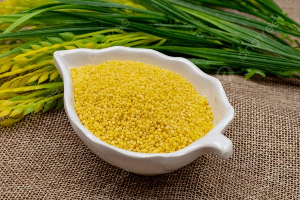 Millet is naturally gluten-free