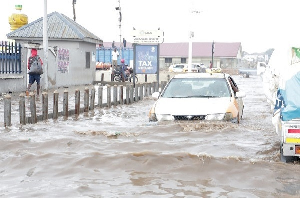
The Ghana Health Service (GHS) has cautioned the public over increased risks of disease outbreaks as the rainy season sets in, warning that conditions created by the rains could fuel the spread of both waterborne and mosquito-borne illnesses across the country.
In a statement issued on June 16, 2026, the Service explained that early rains often wash faecal matter and other waste into water sources such as rivers, streams, and wells, increasing the risk of cholera, typhoid, and dysentery.
"According to the GHS, the rains significantly increase the risk of waterborne diseases, including typhoid, cholera, and dysentery. This is largely because rainwater often washes faecal matter", it noted.
The GHS urged the public to maintain clean surroundings, eliminate stagnant water, clear bushes around homes, and ensure proper cooking and handling of food.
Residents are also advised to wash fruits and vegetables thoroughly, practice regular handwashing with soap under running water, and seek early medical attention when symptoms of illness appear.
In addition to waterborne illnesses, the GHS noted that the rainy season also increases exposure to malaria, yellow fever, and dengue fever.
"Stagnant water collected in discarded cans, old tyres, and other containers becomes a haven for insect vectors, raising the threat of mosquito-borne diseases such as malaria, yellow fever, and dengue fever", the statement said.
The Service urged food vendors to, "adhere strictly to hygiene standards, source ingredients from approved suppliers, separate raw and cooked foods, and ensure all food handling certifications are valid".
The GHS further warned that flooding during heavy rains may force reptiles such as snakes out of their habitats, increasing the risk of human encounters and urged the public to keep their environments clean, close potential entry points, and raise stored items above ground level.
Navigating Ghana’s Rainy Season: Strengthening fire safety and flood preparedness
The Service reaffirmed its commitment to safeguarding public health, emphasizing that community cooperation is key in preventing seasonal outbreaks.
"The Ministry of Health and the Ghana Health Service remain committed to safeguarding the health and well-being of all residents. Public cooperation is essential in preventing disease outbreaks during this rainy season", it added.
See the full statement below:
⚠️REMINDER ⚠️
— Ghana Health Service (@_GHSofficial) June 16, 2026
The rains are still with us, and so are the associated health risks.
Flooding, poor sanitation, contaminated water, and displaced wildlife can increase the risk of diseases such as cholera, typhoid fever & snakebites. Stay alert, and seek prompt medical attention. https://t.co/BdK9kQRFBi
JKB/VPO
It's not just anybody you can kill and go scot-free' - 'Mother' of late UCC student invokes curses