The Health Facilities Regulatory Agency (HeFRA) has urged health facility operators to strictly adhere to standards and engage proactively with regulators to strengthen patient safety and service quality.
Dr Winfred Korletey Baah, Acting Registrar of HeFRA, called for stricter compliance with licensing and operational requirements, stressing the need for facility managers to work closely with regulators to improve healthcare delivery.
“We want all facilities to comply. It improves quality, ensures safety, and strengthens the entire health system,” he said.
Dr Baah made the call at HeFRA’s maiden Annual General Meeting in Accra, on the theme: “Working Together to Strengthen Healthcare Regulation and Service Quality.”
He noted that compliance was not only a legal obligation but also essential to improving healthcare quality, ensuring patient safety, and positioning Ghana as a hub for medical tourism.
Providing an overview of inspections conducted in 2025, Dr Baah disclosed that more than 114 health facilities were sanctioned for various infractions, with 60 shut down due to unsafe conditions or failure to meet basic requirements.
“Some facilities were found operating in dangerous environments, including buildings with leaking roofs and compromised structural integrity, posing serious risks to patients,” he said.
“Others were closed for failing to employ qualified health professionals, a critical requirement for safe service delivery.”
He added that although some affected facilities had taken corrective measures and were undergoing re-inspection, enforcement would remain strict.
Dr Baah attributed part of the problem to facilities operating without the required licences.
“It is an offence to start operating before inspection and licensing. We must ensure standards are met before services begin,” he said.
He, however, noted that improved monitoring and expanded nationwide presence had strengthened regulatory oversight, making it increasingly difficult for non-compliant facilities to operate.
Dr Baah said HeFRA would intensify its regulatory activities while promoting collaboration with facility owners and practitioners, adding that compliance would be treated as a shared responsibility rather than a one-sided enforcement exercise.
“We are making ourselves available to guide facilities with technical advice to help them meet the required standards.”
He revealed that plans were underway to expand the agency’s presence, with new regional offices expected to be established this year.
Currently, HeFRA operates in 10 out of Ghana’s 16 regions.
Highlighting operational challenges, Dr Baah appealed to corporate organisations for logistical support, particularly vehicles, to enhance regulatory work nationwide.
Dr Agyemang Badu, the Director of Compliance and Enforcement, said strengthening health facility regulation was crucial to ensuring safe, quality, and dignified care.
He noted that Ghana had made significant progress in developing a regulatory framework for healthcare service delivery and urged providers to uphold standards to build public trust.
A representative of the Ghana Health Service also called for deeper collaboration to further strengthen the country’s healthcare system.
Health News of Thursday, 19 March 2026
Source: GNA
Health facilities urged to strengthen compliance, improve patient safety
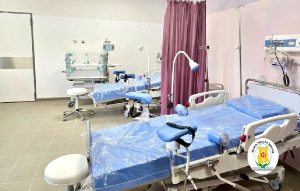 Photo of a health facility