A hernia occurs when an internal organ or tissue pushes through a weak spot in the surrounding muscle or connective tissue.
It most commonly affects the abdomen and groin area and can appear as a visible lump that may become more noticeable when coughing, bending, or lifting heavy objects.
Although some hernias may not immediately cause severe problems, they often require medical attention because they can worsen over time.
What causes a hernia?
Hernias usually develop due to a combination of muscle weakness and pressure. The weakness may be present from birth or develop later in life, while pressure inside the abdomen pushes tissues through the weak area.
Common causes and risk factors include:
• Heavy lifting without proper support;
• Persistent coughing or sneezing;
• Chronic constipation and straining during bowel movements;
• Pregnancy;
• Obesity;
• Aging and muscle weakening;
• Previous abdominal surgery.
Common types of hernia
There are several types of hernias depending on where they occur in the body.
1. Inguinal Hernia
This is the most common type. It occurs when tissue, usually part of the intestine, protrudes through a weak point in the lower abdominal wall into the groin.
It is more common in men.
2. Umbilical Hernia
This happens when tissue bulges through the abdominal wall near the belly button.
It is common in infants but can also occur in adults.
3. Hiatal Hernia
A hiatal hernia occurs when part of the stomach pushes upward through the diaphragm into the chest cavity.
It is often associated with acid reflux or heartburn.
4. Incisional Hernia
This type develops at the site of a previous surgical incision where the abdominal wall has weakened.
Hernia, significant cause of high morbidity in Ghana - Dr Owusu
Signs and symptoms
Symptoms vary depending on the type and severity, but common signs include:
• A visible lump or swelling in the abdomen or groin;
• Pain or discomfort, especially when bending, coughing, or lifting;
• A feeling of heaviness or pressure in the abdomen;
• Burning or aching sensation at the bulge;
• In severe cases, nausea or vomiting.
Sometimes, hernias cause no symptoms at first and are discovered during routine medical examinations.
When is a Hernia dangerous?
A hernia can become a medical emergency if it becomes trapped (incarcerated) or strangulated, meaning the blood supply to the trapped tissue is cut off.
This can lead to severe pain and tissue damage.
Warning signs include:
• Sudden intense pain;
• A bulge that becomes hard and cannot be pushed back in;
• Nausea and vomiting;
• Fever.
These symptoms require immediate medical attention.
Treatment options
The only permanent treatment for most hernias is surgery, known as hernia repair.
Depending on the case, doctors may perform:
• Open surgery – repairing the weakened area through a larger incision;
• Laparoscopic surgery – a minimally invasive procedure using small incisions and a camera.
In some mild cases where symptoms are minimal, doctors may recommend monitoring the hernia before surgery.
Can Hernias be prevented?
While not all hernias can be prevented, the risk can be reduced by:
• Maintaining a healthy weight;
• Avoiding heavy lifting or using proper lifting techniques;
• Treating chronic cough;
• Eating fiber-rich foods to prevent constipation;
• Strengthening abdominal muscles safely.
To reiterate, a hernia is a common medical condition that occurs when internal tissue pushes through a weak muscle wall.
While some hernias may appear harmless at first, they can worsen over time and often require surgery to correct.
Early medical evaluation is important to prevent complications.
MRA/AE
Rev Dr Ebenezer Conduah arrested and remanded into custody
Health News of Tuesday, 10 March 2026
Source: www.ghanaweb.com
EXPLAINER: What is hernia, and why does it happen?
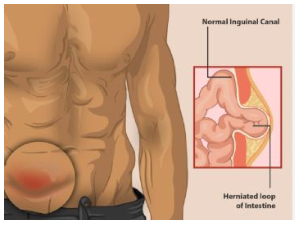 Hernia most commonly affects the abdomen and groin area