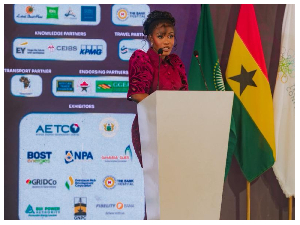
Alfred Nyantakyi, the Upper East Regional Director of the Pharmacy Council of Ghana, says pharmacy or Over-The-Counter (OTC) medicine licenses do not insulate operators from the laws of Ghana.
He said some pharmacy and OTC medicine sellers thought that once they acquired such licenses from the Council to sell pharmaceutical products, they were immune to regulatory guidelines and laws of the country.
Addressing pharmacy and OTC medicine sellers at a day’s workshop organised by the Food and Drugs Authority (FDA), Mr Nyantakyi stressed that these licenses were no shields for operators against national laws.
“Some of you think that once you get the license, it is only the Pharmacy Council that can come to your facility to inspect. But if you read the law, it says an authorised officer can enter your premises at any reasonable hour to inspect,” he said.
Mr Nyantakyi reiterated that “a Pharmacy Council license doesn’t shield you from the FDA, the Health Facilities Regulatory Agency (HeFRA), or the Police. It doesn’t make you a special citizen. You are subject to all the laws of Ghana.”
He cautioned pharmacy and OTC medicine sellers who used their licenses to perform abortions, administer injections, intravenous medications, and sell narcotic drugs, saying, “When you are caught, the FDA, HeFRA, or the Police can deal with you.”
He told participants that even though the Council oversaw pharmacy practice in Ghana, it was not the only agency that could visit their facilities for inspection.
Mr Nyantakyi said the FDA and other regulatory and law enforcement agencies could visit the OTC medicine shops to inspect if they suspected any acts of illegality and advised them to pay attention to some of those things.
The Director expressed worry about some pharmacy and OTC medicine operators who admitted and treated clients in their facilities, saying the Council would act against any facility engaged in such practices in the region.
“We are on the lookout for these things, but I must say that the practitioners have evolved. They now do not engage in the act at the premises where we registered them. They rent places far away from the premises.
“So sometimes when we visit the facilities, we do not see anything unless there is a tip-off. We are doing our very best to track them, and we encourage members of the public to share information on such acts with us,” Mr Nyantakyi said.
He said it was the mandate of the Council to ensure the highest form of pharmacy practice in the interest of the public and not the interest of the practitioners, and urged the public to desist from intervening for operators who violated the law.
Nyantakyi also advised them to buy medicines only from the pharmacy or OTC shops and not from peddlers so that the Council could easily trace if there was a problem with the medicine.
Health News of Monday, 11 August 2025
Source: GNA
Pharmacy license not a shield from Ghana's laws – Council
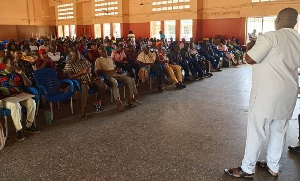 Alfred Nyantakyi (R) addressing pharmacy and OTC medicine sellers




Entertainment