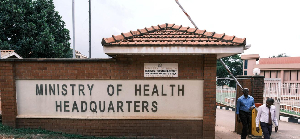
The Programme Manager of the Expanded Programme on Immunization at the Ghana Health Service (GHS), Dr Selorm Kutsoati, has moved to dispel misconceptions about the Human Papillomavirus (HPV) vaccine, assuring the public that it does not cause infertility or encourage early sexual activity.
Speaking on GTV’s Breakfast Show on Wednesday, September 24, 2025, Dr Kutsoati stressed that the vaccine has been used globally for nearly two decades and in Ghana for more than 10 years without any record of infertility.
“This vaccine has been used globally for almost 20 years and in Ghana for over a decade. It is safe, it does not affect fertility, and it does not give anyone a licence to be sexually active,” she emphasisied.
She explained that HPV is the leading cause of cervical cancer, noting that additional risk factors such as early sexual activity, multiple sexual partners, alcohol use, and smoking including shisha increase susceptibility.
Here's when HPV vaccination rollout begins
Cervical cancer remains one of the most common cancers among women in Ghana, often detected late due to the absence of symptoms in its early stages.
Dr Kutsoati explained that HPV infections can trigger mutations depending on where the virus is found, with chronic infections potentially leading to cervical cancer 10 to 20 years after initial exposure.
Symptoms, including bloody or foul-smelling discharge and constipation with bleeding, usually appear at advanced stages of the disease.
She recommended vaccination as the most effective prevention strategy, calling it a ‘low-hanging fruit’ compared to screening and treatment, which are costly and less accessible.
Dr Selorm added that just one dose of the vaccine is now proven effective, a revision from the earlier three-dose schedule.
The GHS is set to launch a nationwide HPV vaccination campaign from October 7, 2025, targeting 2.5 million girls.
The five-day exercise will be followed by the inclusion of the HPV vaccine in Ghana’s routine immunization programme.
GHS to roll out free HPV vaccination nationwide in September 2025
Health teams will deploy to schools, communities, and hard-to-reach areas to ensure nationwide coverage, including for girls living with disabilities.
MRA/VPO
'What is wrong with this mad minister?' - Kwesi Pratt goes wild
Health News of Thursday, 25 September 2025
Source: www.ghanaweb.com
HPV vaccine does not affect fertility – Health expert assures
 Dr Selorm Kutsoati is the Programme Manager of the Expanded Programme on Immunization at GHS