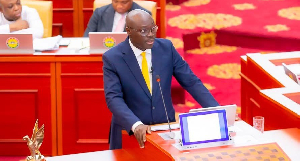
The Member of Parliament (MP) for Korle Klottey, Dr Zenator Agyemang Rawlings, has expressed commitment to leading a strong advocacy in getting the Lupus disease captured under the National Health Insurance Scheme.
She acknowledged the high cost involved in diagnosis and treatment, hence the need for advocacy to ensure the chronic autoimmune disease was catered for by the Scheme.
Lupus is a chronic inflammatory disease that occurs when the immune system attacks its tissues.
It can affect various parts of the body, including the skin, joints, kidneys, and brain.
Some common symptoms include joint pain, swelling, skin rashes, fever, fatigue, hair loss, and sensitivity to sunlight.
At least five million people worldwide have lupus.
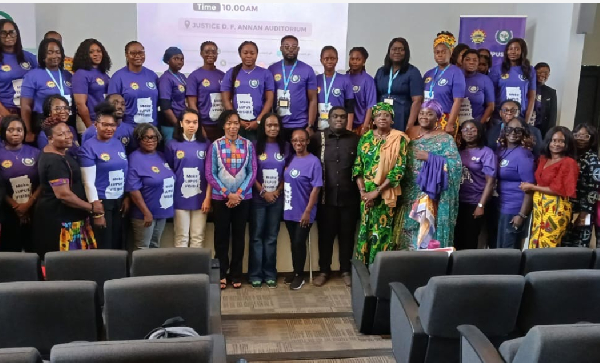
Dr Agyemang Rawlings was speaking at an event to commemorate World Lupus Awareness Day at Parliament House in Accra on Friday, on the theme: “Make Lupus Visible.”
Being a Board Member of the National Health Insurance Authority, she noted that autoimmune diseases kept changing by the day, becoming rampant and affecting many lives.
Dr. Agyemang Rawlings called for an urgent need for medical doctors to prioritise the Lupus disease, as it was affecting many people, although there were no actual figures to show.
The MP said making lupus visible should go beyond advocacy to ensuring that enough health workers are trained to help with early diagnosis and treatment, as well as financial aid for treatment, support from families and caregivers, with psychological, emotional, and physical assistance.
Mrs Emma Halm Danso, the Executive Director of Oyemam Autoimmune Foundation, called for urgent action to improve diagnosis, treatment, and education on Lupus.
She expressed concern over the limited number of rheumatologists, with the whole of Ghana having only three, making early detection and diagnosis very difficult.
She called for the urgent need to train more doctors.
“Lupus is more common in Ghana than we realise, and the only reason we do not hear much about it is because of misdiagnosis, underdiagnosis, and lack of awareness,” Mrs Danso said.
She added, “We are appealing to the Ghana Health Service to prioritise lupus in its health promotion efforts. Every day we get calls from people who are suffering, who are always losing loved ones and it is heartbreaking. Sometimes I cry, and this is why we are advocating an inclusion in the NHIS to help reduce out-of-pocket cost.
“We must cater for those medications because the very simple ones, which are cheap, and are on our National Health really do no good.”
Mrs Halm Danso said the stress and neuropsychiatric impact that lupus had on patients and their families were unimaginable, thus the need for support to lessen the burden.
Mr Ebenezer Djietror, the Clerk to Parliament, called on the citizenry to become ambassadors within homes, workplaces, and communities to offer the needed support to persons affected by the disease.
“Let us as a nation stands in solidarity with those affected by the condition, let us prioritise early diagnosis, improve treatment options, and increase investment in research,” he said.
He commended the Foundation for the effort in creating awareness about the disease.
World Lupus Day was first observed in 2004, and several special events were held to highlight its importance.
Ghana ratified the World Lupus Proclamation in 2017.
Although there is no cure, medications and lifestyle changes can help control the disease.
Research indicates that approximately 84 new cases of systemic Lupus Erythematosus are diagnosed in Ghana annually, based on monthly statistics from the National Rheumatology Center at Korle Bu Teaching Hospital, which reports at least seven new cases of the disease each month.
Ghana joined the global community to mark World Lupus Day on May 10.
Health News of Sunday, 1 June 2025
Source: GNA
Dr Agyemang Rawlings commits to getting Lupus treatment captured under NHIS
 MP for Korle Klottey, Dr Zenator Agyemang Rawlings