The National Council yesterday approved a comprehensive calendar of activities leading to the election of the New Patriotic Party Executives across the organisational structure of the Party.
In spite of an intense coordinated push by some “inward looking” senior members of the party to start the elections from the “top to bottom” or to skip the elections at the pollings and start from the Constituency, Council stood firm and shot down these false pretense, lies and deceit to dishonestly obtain its approval for the elections to be conducted in the most strange, untested and ludicrous manner.
I commend Council for acting in a manner that was moral, constitutional, ethical, and just in the face of an overly selfish agenda orchestrated some people to undermine and subvert the Party’s constitution.
As we prepares for the internal elections, members and delegates must pause to reflect on what kind of party we intend to rebuild for the future.
After the bruising experiences of recent electoral disaster and the urgent task of reorganising toward 2028, discipline, fairness, and unity are no longer optional virtues, they are necessities.
Yet, an unhealthy trend has begun to surface. Across constituency, regional, and national contests, some aspiring party officers are openly and privately trading on the name of our flagbearer, Dr Mahamudu Bawumia, as a campaign shortcut.
This practice is wrong, corrosive, and must be firmly rejected by delegates at all levels.
Dr Bawumia is not the property of any faction, slate, or ambitious individual. He is the democratically elected flagbearer of the entire party and, by extension, a symbol of collective ownership and shared responsibility. To weaponise his name for personal advancement is to cheapen that symbolism and undermine the unity he represents.
The NPP is at a crossroads. The road to 2028 demands sober reflection, institutional renewal, and a recommitment to the party’s core values; property-owning democracy, meritocracy, and service to the grassroots. Internal elections are meant to surface the best organisers, mobilisers, and thinkers at every level of the party, not the most audacious name-droppers.
Aspiring party officers must therefore be judged on the strength of their own records: their loyalty to the party in difficult times, their sacrifices when resources were scarce, their accessibility to party people, and the practical innovations they bring to grow membership and win votes.
These are the credentials that matter — not claimed proximity to the flagbearer.
Delegates must also be clear-eyed about the risks of tolerating this opportunism. Those who deploy Dr. Bawumia’s name today to secure internal power are likely to deploy similar shortcuts tomorrow, even at the cost of party cohesion.
Worse still, they risk dragging the flagbearer into unnecessary internal controversies, creating the false impression of endorsement where none exists. This does not help Dr Bawumia; it exposes him to avoidable political liabilities.
At a time when the party needs healing, not hierarchy; mobilisation, not manipulation; ideas, not insinuations, such behaviour is a distraction the NPP can ill afford. Unity can not be built on implied blessings and whispered associations. It must be built on trust, transparency, and respect for process.
Dr Bawumia stands for all members of the New Patriotic Party; polling station executives, constituency officers, regional officers, national leaders, loyal foot soldiers, and floating sympathisers alike.
His leadership going forward must be insulated from internal opportunism so he can focus on the bigger national task ahead.
The message to delegates, therefore, must be unambiguous: reject any aspiring party officer who campaigns by trading on the flagbearer’s name. Reward substance over shortcuts.
Choose character over convenience. If the NPP is serious about rebuilding a credible, united, and election-winning machine for 2028, that resolve must begin now, within our own internal democratic processes.
Opinions of Wednesday, 18 February 2026
Columnist: Musah Superior
Why NPP must reject name-dropping in upcoming internal elections campaign (I)
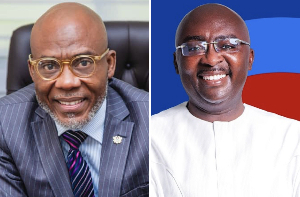 Musah Superior has urged all to support Dr Bawumia