GhanaWeb Feature by Farida Gebril
Before the era of streaming platforms, digital premieres, and Nollywood-style blockbusters dominating African screens, Ghana had already built a powerful film culture that told deeply rooted stories of identity, love, tradition, and social change.
These early films were more than entertainment; they were cultural documents that reflected who we were as a people, capturing the struggles, values, and everyday realities of Ghanaian life in a way that still resonates today.
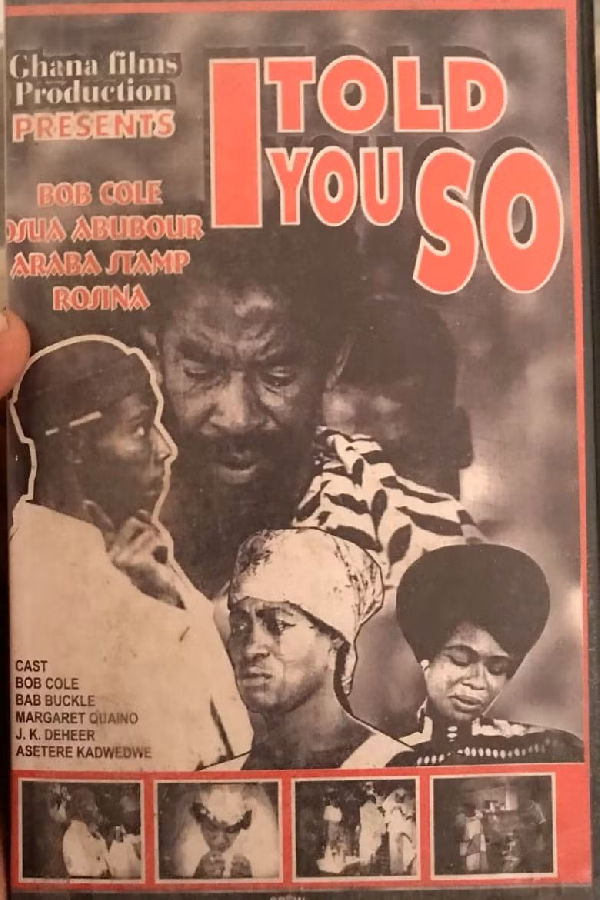
One of the earliest and most influential titles is `I Told You So’ (1970). This classic stands out as one of the pioneering works in Ghanaian cinema, blending humour with moral storytelling.
It reflected everyday social issues while delivering lessons about relationships, trust, and consequences.
For many, it marked a defining moment in the country’s early film identity, showing that Ghanaian stories could be told convincingly on screen without losing their cultural authenticity.
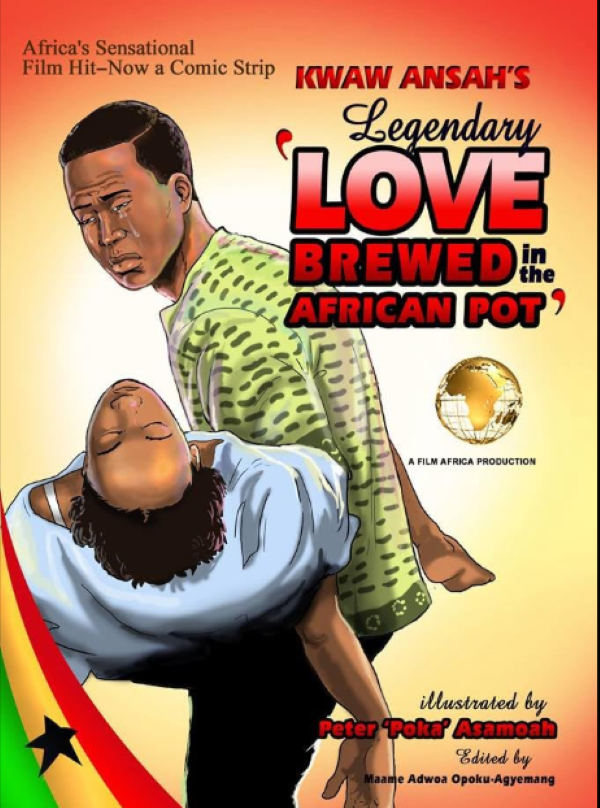
A decade later came `Love Brewed in an African Pot’ (1981), widely regarded as one of the most important African films ever made.
The movie explored class differences, love, and societal expectations, particularly through the relationship between Akuwa and Ato.
It boldly addressed how family status and tradition could shape romantic relationships in Ghanaian society.
The film remains timeless, not only for its storytelling but also for its strong performances and its ability to mirror real-life tensions between tradition and modern aspirations.
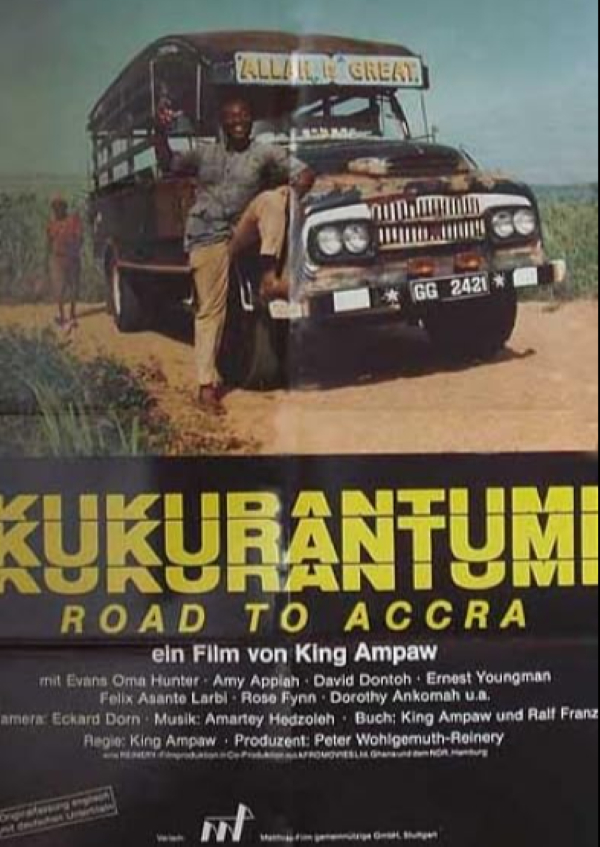
In 1983, `Kukurantumi: Road to Accra’ brought a different perspective, focusing on migration, ambition, and the realities of rural-urban movement.
It tells the story of young people leaving their hometowns in search of better opportunities in Accra, only to encounter unexpected challenges.
The film was directed by King Ampaw and it captured a national conversation that still exists today: rural dreams versus urban reality, and did so with emotional depth and realism that made it unforgettable.
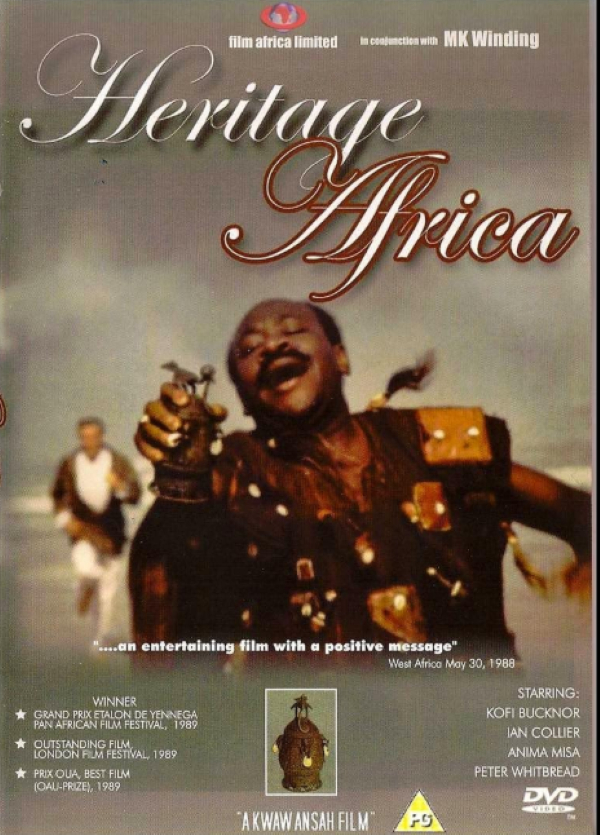
By 1989, `Heritage Africa’ had arrived as one of the most politically and culturally reflective films in Ghana’s cinematic history. Directed by Kwaw Ansah, it explores themes of identity, colonial influence, and African self-awareness.
The film challenged audiences to rethink cultural pride and the lingering effects of colonial mentality. Its powerful storytelling and symbolic depth earned it international recognition and cemented its place as a masterpiece in African cinema.
Then came `Matters of the Heart’ (1993), a romantic drama that shifted focus to personal relationships, emotional struggles, and the complexities of love. It represented a growing evolution in Ghanaian storytelling, where filmmakers began exploring more intimate, character-driven narratives.
The film resonated with audiences for its relatable themes and emotional honesty, marking another step in the diversification of Ghana’s film industry.
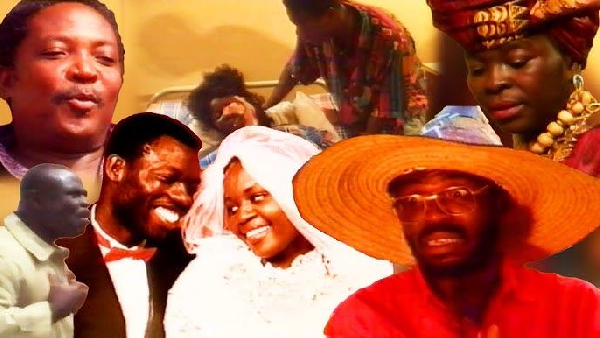
Together, these films form the foundation of Ghana’s cinematic heritage. They were created at a time when resources were limited, yet creativity was abundant. Filmmakers relied on strong storytelling, cultural insight, and raw talent to bring stories to life.
Unlike today’s digital productions, these classics carried a distinct authenticity that made audiences see their own lives reflected on screen.
Modern Ghanaian filmmakers continue to draw inspiration from these early works, whether in storytelling style, cultural themes, or character development. They serve as reminders that long before global recognition and online platforms, Ghanaian cinema was already rich, bold, and deeply connected to its people.
Two die in helicopter crash at Tema Community 1 – Reports
Entertainment of Thursday, 19 March 2026
Source: www.ghanaweb.com
The iconic Ghanaian films that shaped our history
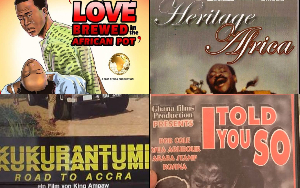 Iconic Ghanaian films that shaped the movie industry