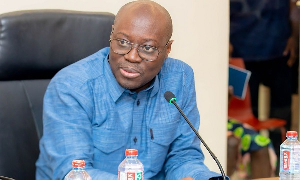
Ghana is among four African countries in discussions with Russia’s state-owned nuclear corporation, Rosatom, over the possible construction of large nuclear power plants, in a development that could shape the country’s future energy mix.
Rosatom Chief Executive Alexei Likhachev said on Friday that the company was in talks with Ghana, Uganda, Ethiopia and Egypt on large-scale nuclear power projects.
The discussions form part of Russia’s broader efforts to expand its nuclear energy partnerships across Africa, with Rosatom indicating that it is prepared to supply countries with nuclear power plants of different sizes and configurations.
"Our partnership is based on the principle that Africa is diverse, and we have a tailored approach for each country that goes beyond a single project," Likhachev said.
For Ghana, a potential nuclear power project could provide an additional source of electricity as the country seeks to diversify its energy mix and strengthen the reliability of power supply.
Nuclear energy is generally suited to providing steady, large-scale electricity generation, which could complement Ghana’s existing sources of power, including hydroelectricity, thermal generation and renewable energy.
It could also help reduce the country’s exposure to fluctuations in fuel prices and supply constraints, although the scale of any benefits would depend on the project’s financing, technology, construction costs and long-term operational requirements.
The discussions come at a time when Ghana has been pursuing plans to introduce nuclear power into its electricity generation system as part of efforts to meet growing energy demand and support industrial development.
Nuclear cooperation was among the issues discussed at the third Russia-Africa Summit in Moscow this week, which brought together representatives from about 50 African countries, including heads of state and government.
Following the meeting, Russian President Vladimir Putin said African countries had expressed strong interest in nuclear power plants, small-scale nuclear technologies and the use of nuclear applications in medicine and agriculture.
Likhachev also disclosed that nine African countries had expressed “significant interest” in Rosatom’s floating nuclear power plant technology, which the company has promoted as an option for coastal countries seeking to enter the nuclear power sector.
He said detailed negotiations were under way with Egypt, Tanzania, Togo and Namibia over the technology.
Africa currently has only one operating nuclear power plant, the Koeberg facility in South Africa, which was built using French technology and began operating in the mid-1980s.
In Egypt, Rosatom is constructing the country’s first nuclear power plant, the four-reactor El Dabaa project, and is discussing a possible expansion of the facility to six reactors.
Although the talks with Ghana signal potential progress in the country’s nuclear energy ambitions, details of the proposed project, including its location, capacity, financing arrangements and implementation timeline, have not been disclosed.
Additionally, any eventual agreement would therefore be an important step in determining how nuclear power could fit into Ghana’s long-term electricity generation plans.
MA
Business News of Friday, 30 October 2026
Source: www.ghanaweb.com
Ghana in talks with Russia over large nuclear power plant project
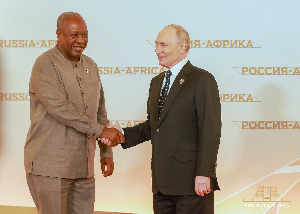 The discussions form part of Russia's broader efforts to expand its nuclear energy partnerships