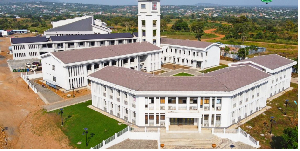
The Kumasi Centre for National Culture (CNC), also known as the National Cultural Centre is an important cultural institution in the country.
It was founded to preserve, promote, and celebrate the rich heritage of the Ashanti Kingdom and Ghana as a whole.
It also serves as a vibrant hub for traditional arts, music, dance, crafts, and cultural education.
According to a recent post by research and cultural historical blog, Silconson, CNC traces its origins to the vision of the late Dr Alexander Atta Yaw Kyerematen, who sought to create a place where Asante history, traditions and arts could be preserved for future generations.
In the early 1950s, Kyerematen proposed the establishment of the Asante Cultural Centre, an initiative that received the support of Otumfuo Sir Osei Agyeman Prempeh II, the Asantehene at the time, and the Asanteman Council.
The proposed centre was designed to serve as a cultural hub and open-air museum, with plans for a library, a traditional chapel, an exhibition hall, a theatre, a dance arena and a museum.
Kumasi Cultural Centre Back to Life
The institution officially opened in 1956, providing a platform for the preservation and promotion of Ashanti cultural heritage.
During the ceremony associated with the museum, Otumfuo Sir Osei Agyeman Prempeh II, laid the foundation stone for a major attraction known as the Traditional House for the Ashanti Museum and Art Gallery.
The museum later became known as the Prempeh II Jubilee Museum.
His vision was to create more than an exhibition space.
In 1963, the institution was renamed the National Cultural Centre as Ghana pursued a broader national approach to cultural development. It later became known as the Centre for National Culture in 1990.
Despite these changes, the centre has continued to serve as a place for cultural education, traditional arts, crafts and the preservation of Ghana's heritage
But who was Dr Alexander Atta Kyerematen?
He was a distinguished Ghanaian anthropologist. He was the father of John Alan Kwadwo Kyerematen, the founder of Movement for Change.
Kyerematen pursued further studies at Fourah Bay College, St Chad’s College (Durham), Keble College (Oxford), and King’s College (Cambridge). His academic achievements included a diploma in Anthropology, a Bachelor of Letters, and a doctorate degree.
As first director of CNC he played a vital role in its creation, including securing land from the Asantehene for the center’s construction and necessary expansions.
See the post below:
JKB/VPO
Guns and Drugs: Dr Adam Bonaa Warns of Growing Security Threat to Ghana
General News of Friday, 23 October 2026
Source: www.ghanaweb.com
Meet Alan Kyerematen’s father, the man behind the National Cultural Centre in Kumasi
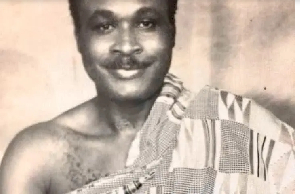 Dr Alexander Atta Yaw Kyerematen is the visionary behind the National Culture Centre