Beef and pork are both a popular delicacy for many people. However, a lot of people have a hard time making a preference between the two, based on its nutritional value.
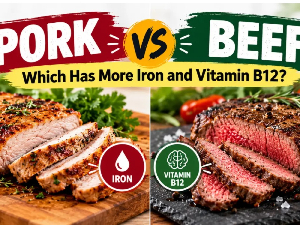
Beef from livestock reportedly contains significantly more iron and vitamin B12 than pork, making it a better option for people seeking to increase their intake of the two essential nutrients through their diet.
However, pork also offers nutritional benefits, particularly its higher thiamin (vitamin B1) content, while lean cuts can provide a relatively low-fat alternative to some beef products.
According to a recent publication by docksiderestaurant.com.au, a comparison of cooked ground meat shows that beef provides approximately 2.3 milligrams (mg) of iron per 100 grams, compared with 1.3mg in pork.
The difference is even more pronounced in vitamin B12 content, with cooked ground beef providing about 2.9 micrograms (µg) per 100 grams, while pork contains approximately 0.54µg.
The figures suggest that beef provides nearly twice as much iron and more than five times the vitamin B12 found in pork, based on the specific products compared.
Vitamin B12 is essential for red blood cell formation and the normal functioning of the nervous system, while iron helps the body produce haemoglobin, the protein in red blood cells responsible for transporting oxygen.
Both nutrients are important for maintaining normal body functions, and inadequate intake can contribute to health problems, including certain forms of anaemia.
Pork has its own nutritional benefits
Despite beef's advantage in iron and vitamin B12, pork remains a valuable source of nutrients, particularly thiamin, which helps the body convert food into energy and supports normal nervous system function.
Lean pork cuts, such as tenderloin, can also be relatively low in fat and may compare favourably with some beef cuts in terms of total fat and calories.
The calorie content of either meat, however, depends on the cut, fat content and method of preparation.
FDA steps up fight against food adulteration
Consequently, the nutritional figures for ground beef and pork should not be treated as universal values for every product.
The publication also cautions against comparing raw and cooked meat directly. Cooking reduces the water content of meat, potentially increasing the concentration of nutrients per 100 grams.
Why beef may be preferable for low iron levels
Iron is found in different forms in food. Meat contains haem iron, which the body generally absorbs more readily than non-haem iron found in plant foods such as beans, lentils and leafy green vegetables.
Both beef and pork provide haem iron, although the comparison indicates that beef supplies more per serving.
People who have low iron levels may therefore find beef a more efficient dietary source of the mineral.
However, the appropriate dietary approach depends on the cause and severity of the deficiency.
Iron requirements also vary according to age, sex and pregnancy status. Women of reproductive age, for example, generally require more iron than adult men.
Vitamin B12 is naturally present mainly in animal-derived foods, including meat, fish, eggs and dairy products. Adults generally need about 2.4µg daily, although individual requirements can vary.
Nutrition facts and health effects of eating pork
Based on the cited figures, a 100-gram serving of cooked ground beef can provide more than an adult's daily vitamin B12 requirement, while the same quantity of pork contributes a smaller proportion.
Moderation and a balanced diet
Although beef offers more iron and vitamin B12, nutrition experts generally recommend variety and moderation rather than relying heavily on one type of meat.
The World Health Organization's International Agency for Research on Cancer classifies processed meat as carcinogenic to humans and red meat as probably carcinogenic to humans. Public health guidance therefore encourages limiting processed meat consumption and moderating red meat intake.
People can also obtain iron from beans, lentils, fortified cereals and leafy greens, while fish, eggs, dairy products and fortified foods can contribute to vitamin B12 intake.
Vegetarians and vegans need to pay particular attention to vitamin B12 because unfortified plant foods generally do not provide reliable amounts of the vitamin.
For people experiencing fatigue, breathlessness, pale skin or other symptoms that may be associated with nutrient deficiencies, a medical assessment and blood tests can help establish the cause. Dietary changes or supplements should be guided by individual needs, particularly where a deficiency has been diagnosed.
Ultimately, beef is the stronger choice when the priority is obtaining more iron and vitamin B12 from a serving of meat. Pork, however, remains a useful source of protein and other nutrients, making both suitable components of a varied diet when consumed in appropriate portions.
MRA/VPO
THE LOWDOWN: GES PRO Speaks on SHS Placement Crisis and Teachers’ Strike
General News of Monday, 12 October 2026
Source: www.ghanaweb.com
Beef or Pork?: Which meat offers more iron and vitamin B12?
 The calorie content of either meat, however, depends on the cut




Entertainment

Van Vicker 'slaps' LilWin with GH¢10m defamation suit


Opinions