Ghana’s tuna industry is facing a serious crisis, with no pole-line fishing vessel currently operating in the country.
Pole-line fishing is a method in which fishermen use poles, lines and hooks to catch tuna one fish at a time, unlike purse-seine fishing, which uses large nets to catch many fish at once.
The Vice Chairman of the National Fisheries Association of Ghana (NAFAG), Richster Amarh Amarfio, said rising fuel costs, taxes and other expenses have made it difficult for fishing companies to survive.
10 women leading major companies and institutions in Ghana
“We were collapsing, and the factors that are collapsing us have so much eaten into our industry that one sub-sector, which is the pole-line sector, is completely gone. We don’t have a single pole-line vessel in Ghana today,” he said.
Speaking in an interview with Citi Newsroom, he said fuel is one of the biggest costs facing tuna operators. He explained that a single vessel can use about 270,000 litres of fuel, with operators having to pay the full market price.
He also mentioned that companies pay taxes on fish stocks, spare parts and equipment, despite fisheries being part of the agricultural sector.
Other costs include high port charges, vessel maintenance, dry-docking and maritime security services.
“Basically, it looks like we’ve been left on our own. Nobody actually cares what is happening within our industry, and we are collapsing gradually,” he said.
Amarfio said the situation is worrying because Ghana’s tuna industry brings in more than US$200 million in foreign exchange every year.
He is calling for stronger government support, including the creation of a dedicated authority to develop the fisheries sector.
He also wants more investment in tuna research and processing so Ghana can earn more from products such as fish oil and fish meal.
Another challenge is the shortage of trained Ghanaian workers in the industry.
According to him, the sector still depends heavily on ageing Korean workers because Ghana does not have enough trained captains and engineers to operate tuna vessels.
DR/MA
Foundries, Machines and Jet Engines: Ghana’s untapped engineering potential
Business News of Thursday, 1 October 2026
Source: www.ghanaweb.com
Ghana's tuna industry struggles as high costs force vessels to stop operating
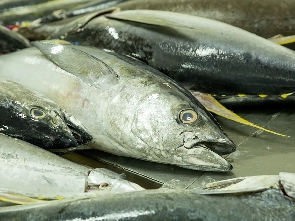 Fuel is one of the biggest costs facing tuna operators