Ghana’s annual inflation rate fell to 5.2% in September 2026, down from 9.4% in September 2025, according to the Ghana Statistical Service.
But that does not mean goods and services have become cheaper.
It means prices are still rising, but more slowly than they were a year earlier.
What does 5.2% inflation mean?
Imagine you spent GH¢100 on a basket of goods in September 2025.
If the prices of those same goods rose by 5.2% over the year, you would need about GH¢105.20 to buy them in September 2026.
Ghana's new economy must move beyond raw material exports – Trade Minister
So, even with lower inflation, you are still paying more than you did a year ago.
The important distinction is that inflation measures the rate at which prices change, not the level of prices themselves.
A simple example
Think about rent.
If your rent increased by GH¢100 last year but rises by only GH¢50 this year, this year’s increase is smaller — but your rent is still going up.
That is what a fall in inflation means for prices generally: the increases become smaller, rather than prices automatically falling.
Why do prices still feel high?
Prices can remain high because they may have already risen significantly during earlier periods of high inflation.
Suppose an item goes from GH¢100 to GH¢130 during a period of rapid price increases. If inflation later falls, the price does not automatically return to GH¢100.
It may simply continue rising at a slower pace.
Does 5.2% mean everything went up by 5.2%?
No.
The 5.2% figure is a national average. Individual prices can move differently.
Some goods and services may rise faster than 5.2%, others more slowly, while some prices may fall.
That is why the inflation rate a household experiences can feel different from the national figure, depending on what it spends most of its money on.
For households spending a large share of their income on food, transport, or rent, for example, faster increases in those areas can continue to put pressure on the budget.
What does this mean for households?
Lower inflation is generally good news because it means the pace of further price increases is easing.
But it does not reverse earlier price increases.
'We can't always be beggars' – Ibrahim Mahama pushes for Ghanaian-owned businesses
If incomes remain unchanged while prices continue to rise, households can still find that their money buys less than it did before.
The bottom line is that lower inflation does not mean lower prices. It means prices are rising more slowly.
So, Ghana’s 5.2% inflation rate means the pace of price increases has slowed, not that the cost of living has fallen by 5.2%.
DR/MA
Inside Ghana’s Abandoned Engineering Powerhouse: What Went Wrong?
Business News of Thursday, 8 October 2026
Source: www.ghanaweb.com
EXPLAINER: Inflation is lower, so why are prices still high?
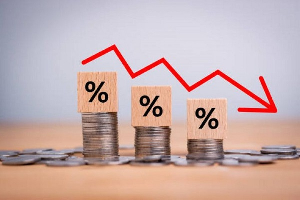 Inflation rose to 5.2% in September, 2026