Dr. Kwasi Amakye-Boateng, a Senior Political Science Lecturer at the Kwame Nkrumah University of Science and Technology (KNUST), has called on Ghanaian political leaders to end the culture of insults and toxic rhetoric in public discourse, warning that their silence could encourage the behaviour to spread.
Dr. Amakye-Boateng said political leaders can disagree strongly without resorting to insults.
“We can disagree with people in authority, but resorting to insults is not the trajectory we should take,” he said on Angel FM.
He argued that the practice runs counter to Ghanaian cultural values, particularly the traditional emphasis on respect for elders and people in positions of authority.
According to him, political leaders must also take responsibility for the conduct of their supporters and members who use abusive language.
“Leaders must condemn their members who use vitriol to address issues. If you remain silent, it means you endorse those tendencies,” he said.
Dr. Amakye-Boateng warned that the growing normalisation of toxic political rhetoric could have consequences for the country’s future leadership, particularly if young people grow up believing that insults are an acceptable part of public discourse.
He said the problem should not be dismissed as ordinary political banter because it could become harder to control.
The lecturer also turned to the Bible for an illustration, citing the account of Miriam and Aaron speaking against Moses in Numbers 12.
He noted that although people may have disagreements with leaders, the biblical account showed the importance of exercising restraint when speaking about those in authority.
He referenced God’s question to Miriam and Aaron: “Why then were you not afraid to speak against my servant Moses?”
Dr. Amakye-Boateng said Ghanaian society must be careful about adopting attitudes that normalise the denigration of respected figures, insisting that the country’s traditional values should guide public discourse.
General News of Thursday, 1 October 2026
Source: mynewsgh.com
Silence is complicity - Dr Amakye-Boateng tells leaders
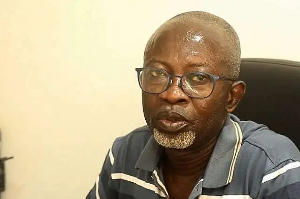 Dr. Kwasi Amakye-Boateng is a Senior Political Science Lecturer in KNUST