Management Consultant and Procurement Specialist, Kobina Ata-Bedu, has called for a comprehensive assessment of the Teshie-Nungua Desalination Plant to determine the most viable way forward following the arbitration award involving the facility.
Speaking on The Point of View on September 23, 2026, Ata-Bedu said government should engage economists and engineers to assess the current condition of the plant and determine the cost of restoring it to full production.
He said the assessment should establish whether the plant can be operated sustainably and whether it would be more economical for the government to settle the dispute and take over the infrastructure.
“The best way to come out of this is to get a few economists and engineering people to go back to the plant and assess the plant,” he indicated.
According to him, because the facility processes salt water, leaving it unused for an extended period could result in rust and deterioration, potentially increasing the cost of restoring it.
Ata-Bedu further suggested that the government could use the findings from the assessment to negotiate with the private operator on a possible settlement, rather than simply paying the full amount awarded through arbitration.
He said the two parties could still reach an agreement on the way forward, including a settlement that could allow Ghana to take over the asset and operate it if that proves economically viable.
Attorney General explains $235m Teshie desalination arbitration award against GWCL
“If it's not sustainable, then you might as well cut your losses, pay them off and let them go away and take over the infrastructure,” he said.
Ata-Bedu also questioned the economic rationale behind the original desalination agreement, particularly the inclusion of the take-or-pay arrangement, which he said had also created challenges for Ghana in the power sector.
He argued that Ghana's approach to major infrastructure procurement often leaves the state negotiating from a position of weakness because decisions are made when government is already under pressure to find an immediate solution.
“In procurement, you go into negotiation with your best foot forward and the balance of power must be on your side,” he noted.
Ata-Bedu therefore called for a shift from reactive planning to proactive investment in critical infrastructure, saying projected population growth and future water demand should guide the expansion of water production capacity.
“We have to stop being reactionary now and begin to become proactive,” he stated.
MRA/VPO
“You Sent My Office a Letter, So I’ll Come in My Car” – Lawyer Escapes EOCO Arrest Attempt
General News of Thursday, 24 September 2026
Source: www.ghanaweb.com
What's next after $235m Teshie desalination award against GWCL – Expert shares
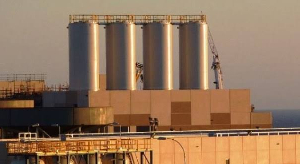 Government say it hopes to conclude the negotiations soon and return the plant to full operation