The Ghana cedi is expected to trade between GH¢10.95 and GH¢11.76 against the US dollar by the end of September, with the Bank of Ghana likely to increase its foreign exchange support as import demand begins to rise ahead of the festive season.
The outlook follows a relatively mixed performance by the local currency in August, during which it remained broadly stable around the GH¢11.00 level despite some fluctuations.
The cedi recorded strong gains during the second week of August, with the dollar trading at about GH¢10.95, before surrendering part of those gains toward the end of the month.
Despite the late-month correction, the currency’s year-to-date depreciation narrowed significantly. By the last trading day of August, the cedi’s average loss against the dollar stood at 6.89%, compared with 10.04% at the end of July.
Over the final two-week review period, however, the currency weakened on the interbank market.
The cedi depreciated by 2.67% against the US dollar, 2.55% against the pound sterling and 2.72% against the euro.
It closed the period at GH¢11.25 to the dollar, GH¢15.23 to the pound and GH¢13.04 to the euro on the interbank market.
Performance on the retail market was comparatively stronger.
The cedi appreciated by 4.33% against the dollar and 0.47% against the pound, ending the month at GH¢11.55 and GH¢15.88 respectively.
Against the euro, however, the local currency recorded a marginal depreciation of 0.18% to close at GH¢13.68.
Analysts attributed the cedi’s relative stability during August partly to continued intervention by the Bank of Ghana.
The central bank is estimated to have supplied about US$912 million to the foreign exchange market during the month, representing approximately 91.2 percent of its planned US$1 billion foreign exchange intermediation programme.
The increased supply of foreign currency helped ease market pressures, reduce speculative demand and limit the pace of the cedi’s depreciation.
The intervention also contributed to the narrowing of the currency’s year-to-date losses during the month.
Looking ahead, analysts at Databank expect the Bank of Ghana to increase its foreign exchange support modestly as seasonal demand for imports builds ahead of the festive season.
The level of central bank intervention is expected to be a key factor in determining the cedi’s performance during September.
Should the Bank of Ghana provide sufficient foreign exchange liquidity to meet rising demand, the currency could remain closer to the stronger end of its projected GH¢10.95 to GH¢11.76 range.
However, increased demand for foreign currency by importers and businesses preparing for the year-end festive season could place renewed pressure on the cedi if supply conditions tighten.
The performance of Ghana’s key export commodities, including gold and cocoa, as well as developments in the country’s international reserves, will also remain important in supporting the currency.
For now, the outlook suggests that the cedi could remain broadly stable in September, supported by central bank intervention, although the anticipated rise in seasonal import demand is likely to test the currency’s resilience in the coming weeks.
Business News of Friday, 4 September 2026
Source: businesspostonline.com
Cedi forecast to trade between GH¢10.95 and GH¢11.76 in September
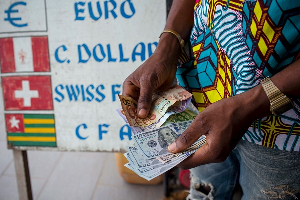 The cedi’s average loss against the dollar stood at 6.89%