Economic policy analyst, Senyo Hosi, has described the alleged AKSA Energy bribery scandal as ‘depressing’, questioning what he called the price paid to compromise Ghana’s interests.
Speaking on TV3’s The Key Points on Saturday, August 15, 2026, Hosi said the controversy should not be reduced to the political rivalry between the New Patriotic Party (NPP) and the National Democratic Congress (NDC), stressing that the matter concerns the future of Ghana.
“This is depressing. I beg you, what price did you guys take to sell Ghana? It’s a joke,” he said.
He added that the NDC-NPP political divide was irrelevant to the matter and urged Ghanaians to focus on the broader implications of the scandal.
“This NDC-NPP nonsense is inconsequential. It’s about Ghana. It’s about the lives of our children, our children’s children. It’s about the sustenance of democracy itself,” Hosi indicated.
He questioned how citizens could continue to have confidence in democratic institutions when allegations of such nature emerge and become subject to partisan defence.
“How will people sustain confidence in democracy when you have this kind of thing playing out?” he asked.
Hosi, who said he had worked with about five former Energy Ministers as a member of an advisory board, also criticised the handling of Ghana’s power arrangements, particularly the cost of electricity.
'Do not shield anyone implicated in deal' - Dr Nyaho-Tamakloe on AKSA scandal
He said although emergency situations could justify paying a premium for power, such additional costs should be reasonable and should not undermine the country’s broader economic objectives.
According to him, a premium of about 20 to 30 per cent could be understandable, with 50 per cent being a possible maximum, but premiums of 300, 400 or 600 per cent could not be justified.
He argued that the cost of power must be considered as part of Ghana’s broader economic policy because expensive electricity could undermine efforts to promote industrialisation.
“If your cost of power is so high, how are you actually going to be able to achieve your economic transformation?” he asked.
Hosi further said the AKSA controversy should prompt a wider discussion about governance, transparency and the sustainability of Ghana’s democracy rather than becoming another partisan political battle.
“This conversation for me is not AKSA. It’s about the governance and the sustainability of Ghana’s democracy,” he said.
MRA/VPO
AROUND TOWN: Agbogbloshie traders react to August 28 deadline to vacate market
General News of Saturday, 15 August 2026
Source: www.ghanaweb.com
‘NDC-NPP nonsense inconsequential’ - Senyo Hosi fumes over AKSA scandal
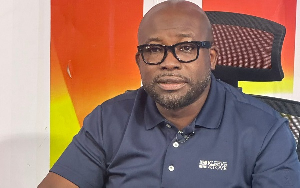 Senyo Hosi is an Economic policy analyst