The recent surge in global cocoa prices is expected to provide some relief for Ghanaian cocoa farmers, but many producers may still record lower overall incomes as declining harvests offset the benefits of stronger international prices.
Following COCOBOD’s announcement that cocoa production could fall significantly during the 2026/27 crop season, global cocoa prices climbed sharply amid concerns over tightening supplies.
While the higher prices improve the potential value of cocoa exports, analysts say many farmers are unlikely to enjoy proportional increases in earnings because they will have fewer beans to sell.
Farmers whose plantations remain healthy and productive stand to benefit the most if COCOBOD raises producer prices in line with stronger export revenues.
Higher farm-gate prices could improve profitability, support investment in fertiliser, farm rehabilitation and improved seedlings, and strengthen household incomes.
However, producers whose farms have been severely affected by swollen shoot disease, ageing trees, adverse weather or illegal mining are expected to face lower overall revenues despite favourable international prices.
A farmer harvesting significantly fewer cocoa bags than last season would still earn less even if producer prices increase, particularly since production costs such as labour, pesticides and farm maintenance remain largely unchanged.
Under Ghana’s cocoa marketing system, farmers do not receive the full benefit of daily movements in international prices.
Instead, COCOBOD purchases cocoa at a government-announced producer price that generally remains fixed throughout the crop season, although adjustments may be made when market conditions warrant.
The arrangement shields farmers from sudden collapses in global prices but also limits their ability to benefit immediately from international price rallies.
Analysts say any meaningful improvement in farmers’ incomes will therefore depend on COCOBOD’s ability to increase producer prices while maintaining healthy export earnings and managing its financial obligations.
Beyond the impact on farmers, lower cocoa production is also expected to reduce Ghana’s export volumes, foreign exchange earnings and resources available for producer support programmes, farm rehabilitation and extension services.
The production outlook has also highlighted widening differences between rehabilitated cocoa farms and ageing plantations.
Farmers who have replaced old trees, controlled swollen shoot disease and adopted improved agronomic practices are expected to outperform the national average and capture greater benefits from higher prices.
Industry experts argue that the long-term solution lies not in relying on temporary price spikes but in boosting productivity through accelerated farm rehabilitation, expanded disease-control programmes, improved access to farm inputs and stronger action against illegal mining on cocoa lands.
They believe that only sustained improvements in productivity will enable Ghanaian farmers to fully benefit whenever global cocoa prices strengthen.
Business News of Wednesday, 5 August 2026
Source: businesspostonline.com
Higher cocoa prices may not offset income losses for farmers
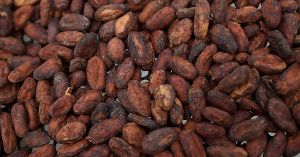 Cocoa is a key export commodity for Ghana