As renewed xenophobic attacks against African migrants in South Africa spark concern across the continent, a powerful speech delivered by late South African music icon Miriam Makeba before the United Nations in 1963 has resurfaced, reigniting conversations about the country's past struggles, contribution from other African states and its treatment of fellow Africans today.
On July 16, 1963, Makeba addressed the United Nations Special Committee on the Policies of Apartheid of the Government of the Republic of South Africa, making an emotional appeal to world leaders to help end apartheid and secure freedom for Black South Africans.
At the time, Makeba was in her early thirties and had already emerged as one of South Africa's most recognizable cultural figures.
In her address, she urged the international community not to remain silent in the face of racial oppression.
“I ask you and all the leaders of the world, would you act differently, would you keep silent and do nothing if you were in our place?” she asked.
“Would you not resist if you were allowed no rights in your own country because the colour of your skin is different from that of the rulers, and if you were punished for even asking for equality?”
She further appealed to the international community to intervene before the situation deteriorated further.
Xenophobia: Nigeria weighs sanctions against South Africa
“I appeal to you, and to all the countries of the world, to do everything you can to stop the coming tragedy. I appeal to you to save the lives of our leaders, to empty the prisons of all those who should never have been there,” she said.
Makeba's appearance before the United Nations marked a turning point in her life. Following her outspoken criticism of apartheid, the South African government revoked her citizenship, forcing her into exile.
She subsequently settled in the United States, where she continued to use her music and international platform to advocate for justice in South Africa.
One of her closest allies during that period was fellow singer and civil rights activist Harry Belafonte, who later recalled helping her prepare for the historic speech.
“Well, I worked with her for several days on that speech. Most of it was her own voice and much of it her own thoughts. She was quite anxious about appearing before this august body of the leaders of the world,” Belafonte said in a later interview.
The late American musician Harry Belafonte revealed that while he encouraged Makeba's activism, he also advised caution given the racial tensions that existed in the United States at the time.
“I said, ‘I'll handle the politics, you handle the music,’” he recounted.
Despite becoming a global symbol of resistance against apartheid, Makeba often rejected the label of politician, preferring to see herself as an artist committed to human dignity.
In one of her later interviews, she reflected on her hopes for humanity.
“Honestly, I'm just a little old lady, a little old singer. I'm not a politician, I'm not an economist or anything of the sort,” she said.
“I just wish that people can be soldiers—not to fight against each other, but to fight against poverty, illnesses, disease, greed and all the ills of the world,” she said.
More than six decades after her address to the United Nations, Makeba's words are once again drawing attention as South Africa grapples with fresh reports of xenophobic violence targeting migrants from other African countries.
The resurgence of her speech has sparked debate on social media, with many Africans reflecting on the solidarity shown to South Africans during the apartheid struggle and questioning the rise of anti-immigrant sentiments in the democratic era.
Known globally as "Mama Africa," Makeba remained a powerful advocate for human rights throughout her life. She died of a heart attack on November 9, 2008, after collapsing on stage during a performance in Italy.
Her legacy, however, continues to resonate across Africa and beyond, particularly at moments when questions of justice, solidarity and human dignity come to the fore.
Watch her speech below
VPO
General News of Thursday, 11 June 2026
Source: www.ghanaweb.com
Miriam Makeba’s 1963 UN Speech resurfaces as South Africa migrant crisis bites hard
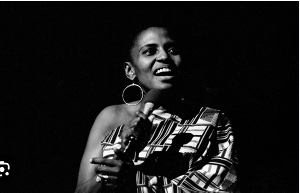 The late Miriam Makeba was a musician and activist