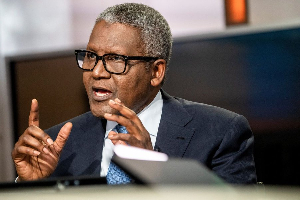
Technical Advisor at the Ministry of Finance, Theo Acheampong, has said the government is targeting a major upgrade in Ghana’s sovereign credit rating as the country transitions from the International Monetary Fund (IMF) bailout programme to a new non-financing Policy Coordination Instrument (PCI) arrangement aimed at sustaining macroeconomic stability and restoring investor confidence.
According to him, the government believes the arrangement could improve Ghana’s access to concessional financing from institutions such as the World Bank Group and the African Development Bank, while strengthening investor confidence in the country’s long-term economic recovery.
Speaking in an interview on Channel One TV, Acheampong said the IMF-backed framework could help Ghana move from its current “B” sovereign credit rating to the “BB” category, a development that could reduce borrowing costs and unlock cheaper financing opportunities for both the government and the private sector.
“The target is actually to get to a double B,” he stated.
He added that achieving such a rating could reduce Ghana’s cost of capital by between 100 and 200 basis points.
Ghana's real estate sector hits 10-year high in financing conditions - Nini Owusu
Acheampong explained that the PCI arrangement is not another bailout programme but rather a credibility-enhancing policy framework intended to reassure investors and international ratings agencies.
He said the new arrangement would provide technical policy support and reinforce fiscal discipline without additional borrowing from the IMF.
He stressed that the expected benefits would extend beyond government financing.
“It’s not just for the sovereign,” Acheampong stated. “For other investors looking to raise capital, the country risk premium for Ghana would come down.”
Ghana recently completed its IMF-supported US$3 billion Extended Credit Facility programme ahead of schedule and is expected to transition to the PCI framework by July 2026.
Acheampong also argued that the PCI could help Ghana avoid the election-related fiscal slippages that have historically pushed the country back to the IMF for support.
ANAS/MA
Africa no longer on the sidelines of global finance - BoG Governor
Business News of Tuesday, 19 May 2026
Source: www.ghanaweb.com
Ghana targets 'BB' credit rating under new IMF policy framework
 Technical Advisor at the Ministry of Finance, Theo Acheampong



Entertainment