The Deputy Minister of Education, Dr Clement Abas Apaak, has said his long-held demand for accountability in Ghana’s scholarship administration remains unchanged, insisting his integrity “stands intact”.
In a Facebook post on February 4, 2026, the Deputy Minister of Education addressed discussions around alleged corruption in the award of state-funded scholarships, stressing that his record on the matter was consistent both in opposition and in government.
“Make your own conclusions, facts are indeed sacred,” Dr Apaak wrote. “I gave my best in opposition and continue to do so in government as expected of me by my appointor. My integrity remains intact, no one can change that.”
He added that his values were shaped early in life, noting: “I was raised by parents who enbibed in me strong values and principles, those who know me know this. Truth stands!”
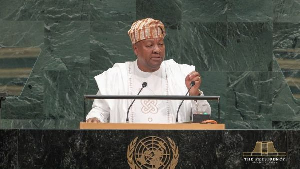
The post was accompanied by images of past media headlines highlighting his outspoken position on the issue while he served as an opposition Member of Parliament.
One headline read, “Scholarship malfeasance must be investigated – Clement Apaak,” while another stated, “Minority calls for forensic audit into Scholarship Secretariat activities.”
Dr Apaak’s comments reference his reaction to a Fourth Estate investigative report published during the erstwhile Akufo-Addo administration, which raised concerns about how state scholarships were allegedly awarded to politically connected and privileged individuals.
Speaking in Twi during a phone-in interview on Oyerepa TV at the time, Dr Apaak argued strongly for a forensic audit of the Scholarship Secretariat, grounding his position in both his parliamentary role and personal experience studying abroad.
“What we are suspecting is that there has to be a forensic audit at the Scholarship Secretariat,” he said.
“As an MP and someone interested in education, and as a person who has studied in Norway and Canada, I understand the plight of Ghanaian students living abroad.”
He questioned inconsistencies in stipend payments to beneficiaries, asking: “So how come beneficiaries don’t receive their stipends, and there are those who dubiously got into the list of beneficiaries but are receiving stipends regularly? What does that tell you?”
By revisiting his past statements, Dr Apaak sought to make clear that his forceful opposition to corruption in scholarship awards has not faded with his transition from opposition into government.
General News of Friday, 6 February 2026
Source: www.ghanaweb.com
‘Facts are sacred’ - Apaak stands by past call for scholarship integrity
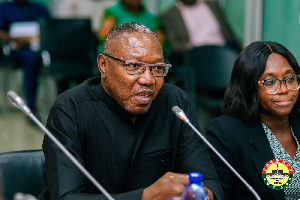 Dr Clement Abas Apaak is the Deputy Minister of Education