As Ghana celebrates its independence and reflects on its political journey during the month of March, also known as Ghana Month, one name that often comes up in conversations about the country’s democratic history is Dr Hilla Limann.
He was Ghana’s only president under the Third Republic — a republic that lasted just over two years before it was cut short by a military coup.
But who was he, and what led to his removal from office?
Who Was Hilla Limann?
Dr Hilla Limann was a diplomat and academic before entering frontline politics.
He became President of Ghana in 1979 after winning the general elections held to return Ghana to constitutional rule, following years of military governance.
He led the People’s National Party (PNP) and was sworn into office on September 24, 1979.
His presidency marked a significant transition — from military rule back to civilian, democratic leadership.
Limann’s administration focused on restoring constitutional order, civil liberties and democratic governance.
March 4, 1957: The day Martin Luther King Jr touched down in the Gold Coast
For instance, during his time in office, Ghana saw a few of the following things happen in the country:
- A return to multiparty democracy
- Respect for press freedom and civil rights.
- Efforts to rebuild Ghana’s diplomatic relationships, and
- Attempts to stabilise a struggling economy.
However, his government inherited serious economic problems. Ghana was facing high inflation, shortages of essential goods, rising unemployment and heavy external debt.
Despite efforts to manage the crisis, the economic situation worsened. Many Ghanaians experienced hardship, including shortages of food and fuel. There were also concerns about corruption and dissatisfaction within parts of the military.
Critics viewed the administration as slow in responding to economic decline, as public frustration grew, and confidence in the government weakened.
On December 31, 1981, Dr Limann’s government was overthrown in a military coup led by Flight Lieutenant Jerry John Rawlings.
The coup ended the Third Republic and ushered in the Provisional National Defence Council (PNDC), returning Ghana to military rule.
Limann’s presidency lasted just over two years.
Dr Hilla Limann’s presidency represented both hope — Ghana’s return to constitutional rule — and the challenges that can threaten democratic stability.
As Ghana marks Independence and celebrates Ghana Month, reflecting on leaders like Hilla Limann is not only about history. It is about remembering the lessons learned — that democracy requires strong institutions, economic stability and collective commitment to constitutional rule.
Ghana’s journey has included setbacks and recoveries. Understanding that past helps ensure that the country’s democratic future remains secure.
SO/AE
Ayawaso East By-Election: Presiding Officer David Chinery explains voting process
General News of Wednesday, 4 March 2026
Source: www.ghanaweb.com
Who really was Hilla Limann and why was he overthrown?
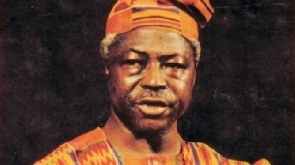 Dr Hilla Limann was a diplomat and academic before entering frontline politics