Legal expert and policy analyst, Austin Kwabena Brako-Powers, has urged the government to formally demand compensation from South Africa for Ghanaians whose businesses and properties were destroyed during recurring xenophobic attacks.
According to him, several Ghanaian-owned businesses have been looted, burned, vandalised, or abandoned over the years as violent attacks against foreign nationals.
Speaking on TV3’s Big Issues on Tuesday, May 26, 2026, Brako-Powers argued that Ghana must move beyond diplomatic protests and push for a structured compensation process for affected citizens.
“Ghana should formally demand, as a condition of its bilateral diplomatic engagement with South Africa, a structured process for the assessment and compensation of Ghanaian nationals whose businesses and property were destroyed during these attacks,” he stated.
He explained that the demand for compensation is not politically motivated but rooted in established principles of international law, including diplomatic protection and state responsibility.
'Go to school and upgrade yourselves' - Ghana’s US Ambassador urges struggling migrants
According to Brako-Powers, many Ghanaian families have suffered huge financial losses after repeated xenophobic violence forced some victims to flee, abandon businesses, or watch their investments destroyed.
He further proposed the establishment of a Business Loss Compensation and Recovery Programme to document the experiences of affected Ghanaians and pursue compensation on their behalf.
As part of the proposal, he called for the creation of a formal claims registry that would allow victims to submit evidence of losses suffered during the attacks.
Brako-Powers maintained that South African authorities cannot continue to treat the incidents as unforeseeable, insisting that the repeated nature of xenophobic violence over the years points to a long-standing pattern.
He explained that under customary international law, states may be held responsible where authorities fail to exercise due diligence in protecting foreign nationals living within their territories.
The development communication expert also criticised what he described as Ghana’s soft approach in handling the plight of citizens affected by the attacks.
“The Ghanaian government is not being hard and tough enough,” he said.
According to him, public condemnations and diplomatic statements alone are no longer enough, considering the scale of economic losses suffered by Ghanaian victims over the years.
He therefore urged policymakers to adopt a stronger and more sustainable strategy aimed at protecting Ghanaians abroad and securing justice whenever their rights and livelihoods are violated.
NAD/VPO
'Apologise for benefitting from insults while in opposition' - Maurice Ampaw to President Mahama
General News of Tuesday, 26 May 2026
Source: www.ghanaweb.com
SA must pay for businesses destroyed during xenophobic attacks - Brako-Powers
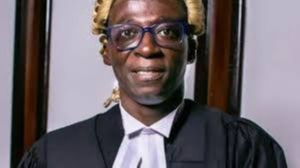 Austin Kwabena Brako-Powers is a legal expert and policy analyst