Ifunanya Nwangene, a 26-year-old Nigerian singer, reportedly died in Abuja, on January 31, 2026, after suffering a snake bite.
She was rushed to two hospitals, but unfortunately neither of the two health facilities had the antivenom to treat her.
The tragic incident has ignited renewed calls for improved emergency response and public awareness about snake-bite first aid.
A snake bite is a medical emergency that requires immediate and calm action. Without prompt and appropriate treatment, snake venom can lead to victim’s death.
The primary goal after a bite is to slow the spread of venom while getting professional medical help as quickly as possible.
This article provides insight into what to do and what to avoid when one is bitten by a venomous snake.
What to do after a snake bite
• Stay calm and alert others nearby. Panic increases heart rate and allows venom to spread faster through the bloodstream. Inform people around you that you have been bitten.
• Move to safety.Sit or lie down in a safe area away from the snake to prevent another bite.
• Call emergency services immediately. Seek professional medical help as soon as possible.
• Keep the affected limb immobilised and lowered. Keep the bite area below heart level to slow venom circulation. Do not walk, run, or exert yourself.
• Remove constricting items. Take off rings, watches, bracelets, shoes, or tight clothing near the bite area, as swelling can occur rapidly.
• Clean the wound gently. Wash the bite area with soap and clean water if available. Do not scrub or flush excessively.
• Cover the wound. Apply a clean, dry dressing or bandage over the bite.
• Monitor symptoms. Take note of swelling, discoloration, pain, or skin changes around the bite and the time they occur.
Either wait for emergency responders or have someone else drive you to the nearest hospital.
Aspiring Nigerian singer dies after being bitten by a snake
What not to do after a snake bite
• Do not apply a tourniquet. A device for stopping the flow of blood through a vein or artery, typically by compressing a limb with a cord or tight bandage. This can cut off blood flow, cause tissue death, and lead to amputation.
• Do not cut or incise the wound. This increases tissue damage and the risk of infection.
• Do not try to suck out the venom. This method is ineffective and dangerous.
• Do not apply ice or immerse the limb in water. Cold exposure can worsen tissue damage.
• Do not consume alcohol or caffeine. These substances can accelerate venom absorption.
• Do not take painkillers such as aspirin or ibuprofen. These may increase bleeding and complications.
Medical treatment: What to expect at the hospital
• Clinical evaluation: Doctors will assess symptoms such as severe pain, swelling, nausea, breathing difficulty, or dizziness.
• Antivenom administration: If venom exposure is confirmed, anti-snake venom will be administered.
• Observation: Patients are typically monitored for at least 24 hours to ascertain delayed or worsening reactions.
• Tetanus booster: A tetanus shot may be given if required.
Snake bites remain a significant public health challenge in many parts of Africa, particularly where access to antivenom is limited.
Experts stress that early hospital treatment and the availability of antivenom save lives, underscoring the need for better-equipped health facilities and increased public education.
Knowing what to do—and what not to do—can mean the difference between life and death.
MRA/VPO
You can also watch as NPP supporters speak on preferred candidates ahead of flagbearer election
Health News of Monday, 2 February 2026
Source: www.ghanaweb.com
EXPLAINER: How to survive a snakebite - Critical dos and don'ts
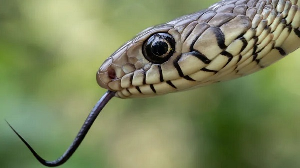 File photo of a snake