Cocoa prices fell sharply on Thursday as stocks in exchange warehouses reached their highest level in two and a half years, easing concerns about immediate supply shortages.
December cocoa futures dropped 4.47% in New York and 3.78% in London, with prices falling to a two-week low and prompting more traders to sell.
According to a report by Barchart, cocoa stocks in Intercontinental Exchange (ICE) warehouses reached approximately 3.64 million bags on Wednesday. The increase eased concerns about immediate shortages and put downward pressure on prices.
However, concerns remain about potentially smaller harvests in Ghana and Ivory Coast, the world’s two largest cocoa-producing countries.
Ghana’s Cocoa Board (COCOBOD) estimates cocoa production at 650,000 tonnes for the 2026/27 season, down from 750,000 tonnes in the previous season. Ageing farms, crop diseases and potentially unfavourable weather conditions threaten output.
In Ivory Coast, cocoa deliveries to ports between October 1 and October 18 were 41% lower than during the same period last year. Preliminary assessments also suggest that fewer cocoa pods are developing on trees.
Demand for cocoa has been mixed. Cocoa processing fell by 2.5% in North America during the third quarter but increased by 29% in Asia and 3.2% in Europe. What falling cocoa prices mean for Ghana
The decline in international cocoa prices presents potential challenges for Ghana, where cocoa remains an important source of export earnings and livelihoods for thousands of farmers.
Lower global prices could reduce the revenue Ghana earns from cocoa exports, depending on export volumes, the prices secured under sales contracts and other market conditions.
'Nigeria offers faster business growth than Ghana' – Chicken Republic CEO
For cocoa farmers, the impact will depend partly on how international market movements translate into the producer price paid locally. A decline in global prices does not automatically result in an immediate reduction in the farmgate price, as Ghana’s producer price is determined through the country’s pricing arrangements.
However, sustained weakness in international prices could put pressure on future producer-price decisions and the earnings of farmers, particularly if production costs remain high.
Lower export earnings could also affect foreign exchange inflows, with implications for the wider economy. Cocoa revenue contributes to Ghana’s external trade earnings and supports economic activity in cocoa-growing communities.
The combination of rising warehouse stocks and concerns about smaller harvests creates uncertainty for the market. While increased stocks are currently weighing on prices, weaker production in Ghana and Ivory Coast could tighten supplies and support prices in the coming months.
Ghana's economy to hit $128.64 billion in 2026, remain Africa's 8th largest – IMF
For Ghana, the outlook will depend on how global demand, warehouse inventories and production levels evolve during the 2026/27 season.
DR/MA
Inside Ghana’s First 950,000-Barrel Sankofa Oil Shipment | Exclusive Tour
Business News of Friday, 23 October 2026
Source: www.ghanaweb.com
Cocoa prices fall as warehouse stocks rise, raising concerns for Ghana
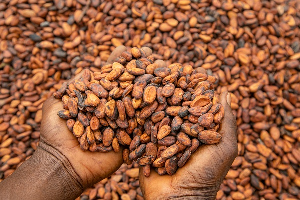 File photo of cocoa beans







Opinions