The media has been charged to play a responsible role in the fight against gender-based violence (GBV) by protecting survivors, avoiding sensationalism and reporting with dignity and accuracy.
The call was made by Joyce Arwuah, Gender Officer of the Jomoro Municipality in the Western Region, at a training workshop for the media on GBV organised by the Abigan-Legos Corridor Organisation in collaboration with the United Nations Population Fund (UNFPA) at Elubo on Thursday, November 26, 2026.
Arwuah cautioned journalists against practices that worsen the trauma of victims and discourage others from reporting abuse.
She stressed that the media must not reveal the identities of survivors by showing their faces, mentioning their names, schools or communities. She also warned against publishing graphic details of abuse and interviewing children without proper consent.
“Do not ask survivors why they did not leave. Do not call rape a ‘sex scandal.’ GBV is never the victim’s fault,” she told participants.
According to her, responsible reporting means using correct and respectful language, giving survivors control over their stories, and ensuring their safety comes before any headline.
She further urged media houses to always include helplines and support services in their reports, such as DOVVSU, Social Welfare, CHRAJ and health facilities, so that victims know where to seek help.
Arwuah also encouraged journalists to follow up on cases ethically, hold institutions accountable, challenge harmful cultural norms and use their platforms to educate the public and amplify survivors' voices.
She reminded participants that Ghana has strong laws against GBV, including the 1992 Constitution, the Domestic Violence Act, 2007 (Act 732), the Children’s Act, 1998, and the Criminal Offences Act, 1960, and that the media must help enforce them through accurate reporting.
“Protect identity, respect survivors, report responsibly. That is what the media must do,” she said.
Regional News of Friday, 27 November 2026
Source: Daniel Kaku, Contributor
Media charged to protect GBV survivors, shun sensationalism
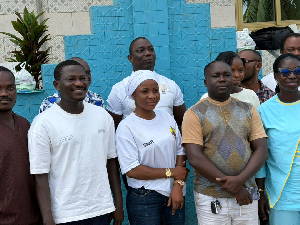 Journalists in Western region urged to preach against gender-based violence




Entertainment