The Upper Manya Krobo District in the Eastern Region has commissioned a six-unit classroom block, two CHPS compounds and three mechanised boreholes as part of efforts to improve access to education, healthcare and safe drinking water.
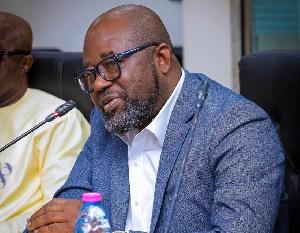
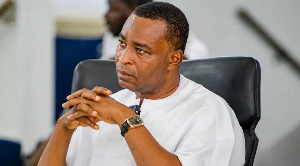
The facilities were commissioned by the District Chief Executive (DCE), Emmanuel Kwasi Lawer, and the Member of Parliament (MP) for the area, Bismark Tetteh Nyarko, as the district steps up investment in basic social infrastructure.
The new classroom block, located at Community A in Asesewa, is expected to provide pupils with a more conducive environment for teaching and learning. The two Community-based Health Planning and Services (CHPS) compounds, situated at Mensa Dawa and Apimso, are expected to bring essential healthcare services closer to residents.
Three mechanised boreholes were also inaugurated in beneficiary communities to improve access to potable water and sanitation.
Speaking at the commissioning ceremony, Mr Nyarko credited the working relationship between his office and the District Assembly for the progress made in delivering development projects.
He said cooperation between the two institutions had made it possible to combine resources and tackle infrastructure needs that might otherwise have remained unattended because of the funding restrictions governing their respective development allocations.
According to the MP, the coordinated use of the Members of Parliament's Common Fund and the District Assembly's Common Fund had helped the district undertake more projects, particularly in water provision and social infrastructure.
He urged residents to take responsibility for maintaining the newly commissioned facilities, with particular attention to the mechanised boreholes, which depend on electricity to function.
Mr Nyarko said the facilities had been handed over to the beneficiary communities and stressed that their long-term usefulness would depend on residents' willingness to protect and maintain them.
For his part, Mr Lawer described the projects as part of the government's Resetting Ghana agenda and praised the cooperation between political and local government leaders in advancing development across the district.
He disclosed that the district's wider infrastructure programme covered 19 mechanised boreholes, three CHPS compounds and three school buildings.
The DCE also listed several completed projects, including the Poponya-Fantem Clinic, Anglican Kindergarten and Primary School, Nyonyuem District Assembly Primary School, and Anyaboni Kindergarten and Primary School.
He further disclosed that other development projects, including initiatives under the government's 24-hour economy programme, were awaiting commissioning.
Mr Lawer appealed to residents to remain patient and cooperate with the Assembly as it continued to address the district's infrastructure needs.
The latest projects add to the district's ongoing efforts to close gaps in basic service delivery, particularly in rural communities where access to essential public infrastructure remains a major development concern.
Regional News of Friday, 27 November 2026
Source: www.ghanaweb.com
Upper Manya Krobo District gets new schools, clinics and boreholes
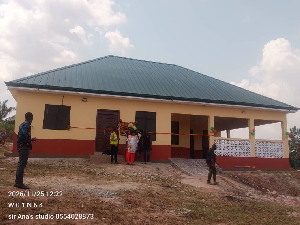 The MP and DCE for Upper Manya Krobo commissioned educational and health facilities for the district