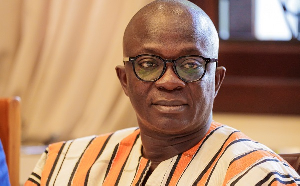
Benjamin Alabi, the Yilo Krobo Municipal Director of Agriculture, has called on the Ghana Meteorological Agency (GMet) to provide regular weather forecasts ahead of the major and minor farming seasons to enable farmers to plan their activities.
He said timely and periodic weather information would help farmers make informed decisions on crop selection, planting schedules and the adoption of appropriate farming practices.
Alabi made the call in an interview with the Ghana News Agency (GNA) at Somanya in the Eastern Region.
He stressed the need for farmers to receive weather information before the commencement of each farming season.
The call comes amid growing concerns about the potential effects of the El Niño climate phenomenon on agricultural production.
In a November 2 report, GMet said the United States National Oceanic and Atmospheric Administration’s Climate Prediction Centre had projected a 96 per cent probability of the El Niño event reaching very strong intensity within the period.
El Niño is a climate phenomenon characterised by the abnormal warming of surface waters in the central and eastern equatorial Pacific Ocean, which can influence weather patterns, including rainfall distribution and temperatures in different parts of the world.
Although its effects vary across regions, changes in rainfall patterns could affect planting decisions, crop development and harvesting activities.
The Ministry of Food and Agriculture (MoFA), on November 6, 2026 disclosed that it was developing a national response strategy in collaboration with GMet to address the potential effects of the phenomenon on agriculture, although specific interventions were still being finalised.
Alabi said advance weather information would help farmers select suitable crop varieties, particularly early maturing and drought-tolerant varieties, depending on the expected rainfall patterns.
“If you know that in the major season, we are likely to have three or four rainfall events starting from a particular period and ending within a specific timeframe, the farmer would know how to prepare and what variety of crops to go for, especially early maturing and drought-tolerant varieties,” he said.
He said periodic updates during the farming season were equally important to enable farmers to respond appropriately to changing weather conditions.
He, however noted that farmers who received information about an impending dry spell after planting might have limited options to protect their crops.
Alabi said farmers in the municipality had already planted their crops for the minor season, with some farms more than a month old, while others had reached the tasselling and cob-bearing stages, which required adequate water.
He described those stages as critical to crop development, warning that prolonged dry spells could negatively affect production.
On collaboration between the Municipal Department of Agriculture and GMet, Mr Alabi disclosed that there was currently no direct collaboration between the two institutions at the municipal level.
He said closer cooperation would enable agricultural officers to receive timely weather information from GMet and relay it to farmers at the community level.
“We are the intermediaries between the researchers and the farmers. So, if some of this information comes to the district or municipal level for us to be abreast and updated, and subsequently relay it to the farmers, I think it will help,” he said.
Alabi recalled that the department previously had rain gauges which agricultural officers used to record rainy days and measure the quantity of rainfall, but said the equipment was no longer available.
He proposed that GMet assign officers to agricultural offices at the municipal and district levels to facilitate the dissemination of weather information to farming communities.
He also called for the establishment of coordinated WhatsApp platforms involving GMet officials, Directors of Agriculture and agricultural extension officers to facilitate the timely sharing of weather forecasts and related advisories.
He said such arrangements would strengthen communication between the institutions and help farmers make better-informed decisions based on prevailing and anticipated weather conditions.
Regional News of Friday, 20 November 2026
Source: GNA
Krobo MoFA Director urges GMet to take weather forecasts to farmers
 GMet have been urged to provide regular forcast to aid farmers to plan