Friends of Adaklu (FOA) and SOS Children’s Villages Ghana have called on residents of Adaklu to seek professional help for mental health challenges, as they intensify efforts to address stigma, substance abuse and emotional distress affecting individuals and families in the district.
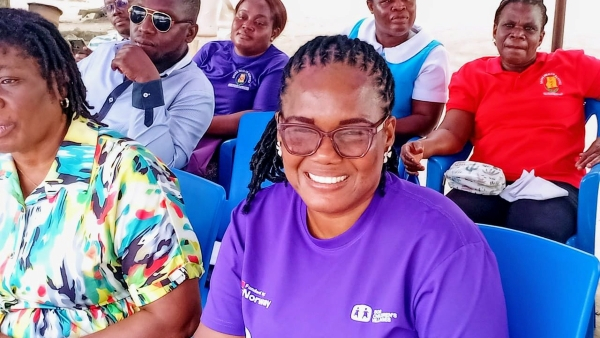
The call was made during an event organised to commemorate World Mental Health Day at Adaklu Wumenu in the Adaklu District of the Volta Region.
The event, organised under SOS CV Ghana’s NORAD-funded project, Protecting Children at Risk of Losing Parental Care, was held under the global theme, “Lived experiences heard: real voices, real change”.
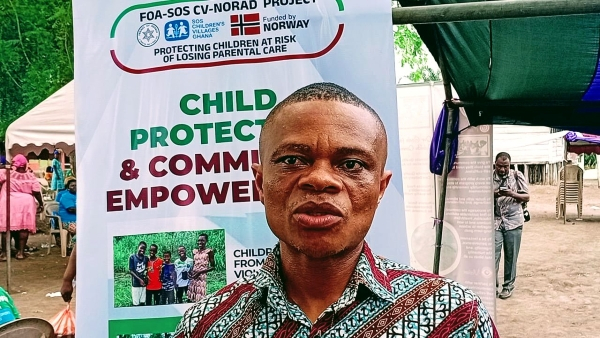
Addressing journalists, Christian Kormlatse, Mental Health Officer at the Adaklu Health Directorate, said mental health challenges have been a concern in the district, partly due to young people’s involvement in the use of hard drugs and other substances.
He noted, however, that health education and other interventions have helped to reduce cases compared with previous years.
Kormlatse said stigma remains a major obstacle to addressing mental health challenges in the district, as many residents associate mental illness only with people seen walking naked on the streets.
He explained that emotional challenges could affect anyone, including people dealing with marital problems, disappointments and other personal difficulties, but misconceptions often discouraged them from seeking help.
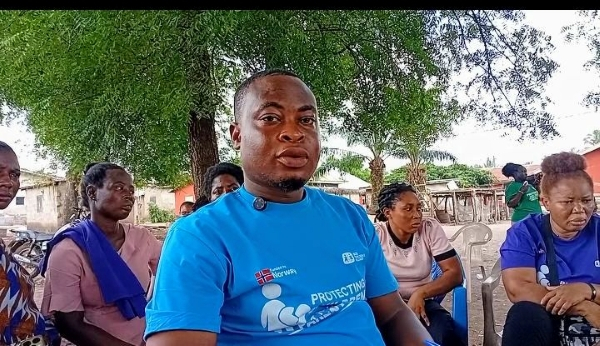
He urged residents to look beyond visible signs of mental illness, support people experiencing emotional difficulties and encourage them to access professional care.
Kormlatse assured residents that health professionals would treat information shared with them confidentially, adding that mental health services are available at health facilities across the district.
He said early intervention and increased awareness could help residents access support before their conditions worsened.
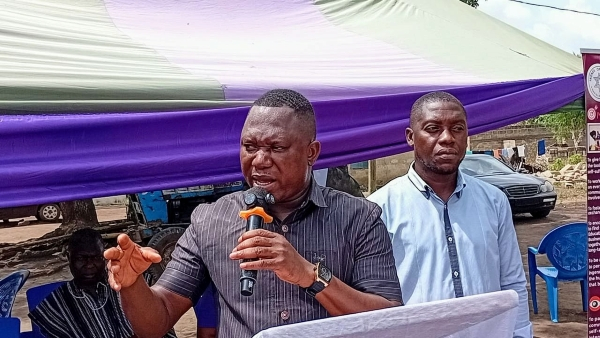
Innocent Asiwome, clinical psychologist at SOS Children’s Villages Ghana, emphasised the impact of caregivers’ mental health on children’s welfare, particularly in families experiencing financial hardship, bereavement and marital difficulties.
He explained that caregivers struggling with unresolved emotional distress could become easily frustrated and unintentionally transfer their pain to their children, affecting their upbringing and psychological development.
“When parents go through life challenges, they are not able to get the best mind to take care of their children,” he said.
Asiwome warned that children exposed to prolonged emotional distress without adequate support could carry those experiences into adulthood, potentially affecting their relationships and overall wellbeing.
He urged caregivers in Adaklu to seek support and share their experiences with trusted individuals rather than suffer in silence.

He also encouraged residents to recognise early signs of mental health conditions and seek medical attention promptly to prevent their situations from getting more serious
Speaking on the purpose of the gathering, Madam Stella Kudah, Country Director of Friends of Adaklu and Programme Manager for the SOS-NORAD project, said mental health was essential to child protection and family stability.
She noted that children need safe and supportive homes to thrive, while caregivers require emotional wellbeing to provide consistent care, protection and guidance.
Kudah said the celebration aimed to equip caregivers, children and community members with the knowledge to recognise emotional distress, adopt healthy coping strategies and improve communication within families.
She called for stronger collaboration among families, schools, community leaders, health professionals and social welfare services to strengthen support for vulnerable households and children at risk of losing parental care.
Hope Kuffor, Health and Education Officer at Friends of Adaklu, said the organisation introduced mental health screening into this year's activities to improve awareness in the district, where mental health challenges are often attributed to spiritual causes.
He said the assessments helped caregivers recognise their ability to manage their mental wellbeing and urged residents to support one another and speak to trusted people when facing emotional difficulties.
The organisers urged residents to make mental health a shared community responsibility by challenging stigma, supporting affected families and encouraging early access to professional services.
They said creating an environment where people could speak openly about their struggles would help build healthier families and safer communities across Adaklu.
The District Chief Executive for Adaklu,Jerry Yaw Ameko, who was present at the event, said that caregivers also need care as they often go through diverse challenges. He explained that sometimes all a person going through a rough season needs is someone to talk to.
He encouraged participants to take their health seriously by taking advantage of the government's free primary healthcare programme to visit health facilities regularly for checkups.
He also commended the work of FOA in the district and the region as they continue to collaborate with the government to bring programmes and projects to the community that have, over the years, affected and are still affecting the lives of residents positively.
Regional News of Wednesday, 18 November 2026
Source: Desmond Tinana, Contributor
FOA, SOS CV Ghana urge Adaklu residents to seek mental health support
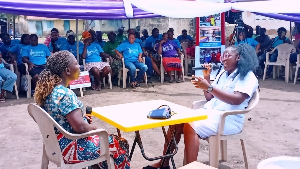 A drama skit acted to portray mental health by FoA