The Church of Pentecost has called for greater investment in the health, safety and empowerment of the girl child while urging parents, teachers and policymakers to give boys equal attention in education and personal development.
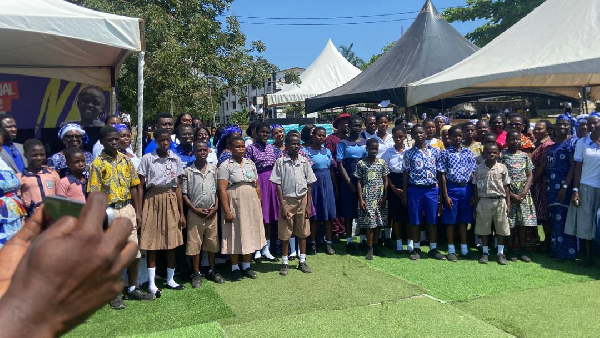
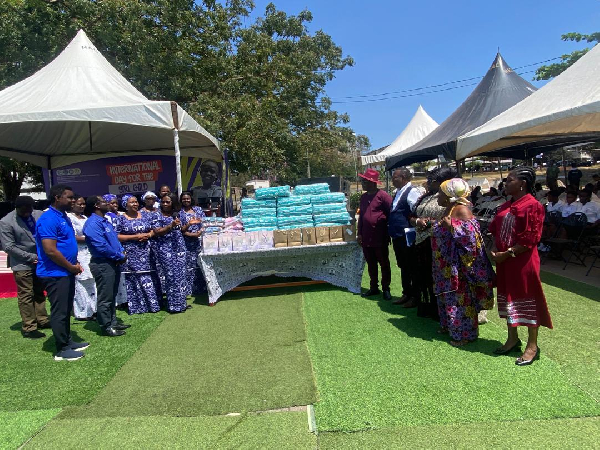
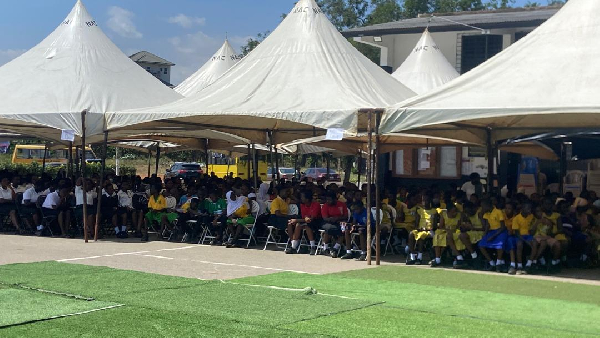
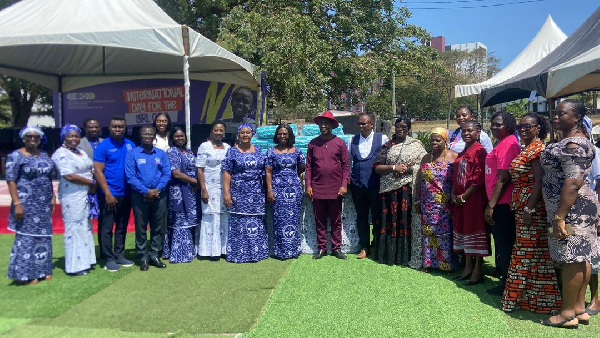
The call was made during a commemoration of the 2026 International Day of the Girl Child, organised through the church’s Schools Outreach Ministry in collaboration with its Women’s Ministry and the Ghana Education Service (GES) on October 16, 2026, at the Accra High School.
The event, held under the theme “End Child Marriage and Invest in Girls’ Rights,” with the sub-theme “Investing in the Health, Safety and Empowerment of the Girl Child,” brought together education officials, religious and traditional leaders, teachers, parents and students to discuss the protection and development of children.
Speakers stressed the need to protect girls from sexual abuse, harassment, child marriage and other harmful practices while creating opportunities for them to excel academically, professionally and socially.
Chairman of the occasion, Rev Prof Joseph Ignatius Teye Buertey, Dean of the Faculty of Engineering, Science and Computing at Pentecost University, said significant progress had been made in promoting girls’ education over the past two decades.
He observed that more girls were progressing through basic and secondary education into tertiary institutions, with some schools recording higher numbers of female students than males.
However, he cautioned against neglecting boys in the drive to empower girls, arguing that both sexes required adequate support to thrive.
“As we promote the girl child, let’s promote the boy child,” he said, urging parents and teachers to pay equal attention to the education and development of both boys and girls.
He encouraged boys to work hard, remain focused on their future and aspire to achieve great heights, while urging girls to pursue their ambitions without intimidation.
Rev Prof Buertey also condemned sexual abuse and harassment by teachers, describing such conduct as a betrayal of the teaching profession.
He said teachers were expected to educate, empower and prepare students for the future rather than exploit them.
“If you’re a teacher and you are abusing a girl, harassing a girl, you are sleeping with a girl, what it means is that you don’t understand your profession,” he stated.
He called on teachers to remain committed to their professional responsibilities and warned that those found engaging in abuse should face the law.
The professor further urged parents and school authorities to provide the necessary guidance and protection to ensure that children could pursue their education in safe environments.
In his address, National Coordinator of the Schools Outreach Ministry of The Church of Pentecost, Pastor Frank Mensah Tandoh, said the ministry was committed to nurturing young people through education, discipline and values that contribute to national development.
He explained that the ministry sought to help learners achieve academic excellence while developing values such as honesty, hard work, endurance and responsibility.
Pastor Tandoh said the International Day of the Girl Child provided an important opportunity to recognise the achievements of girls while drawing attention to the challenges that continued to affect their development.
Although acknowledging progress in girls’ education, he noted that gaps remained in women's representation in political leadership and other areas of national life.
He said the church wanted girls to become empowered while remaining confident in their identity and prepared for their responsibilities in society.
He also stressed the importance of raising boys to become responsible men who would support and protect women rather than subject them to abuse.
Greater Accra Regional Director of Education, Hajia Katumi Natogmah Attah, called for stronger collaboration among parents, teachers, religious leaders, traditional authorities and state institutions to protect girls and ensure they remained in school.
In her address, she said the theme for the celebration required stakeholders to move beyond public declarations and take practical steps to improve girls' health, safety and access to education.
She reaffirmed the Ghana Education Service's commitment to ensuring that every child, regardless of gender or background, had access to quality education and the opportunity to achieve meaningful learning outcomes.
According to her, the GES, through its Girls' Education Unit and in collaboration with partners, continued to promote girls' education and implement the Safe School Guidelines to make schools free from bullying, harassment, abuse and violence.
Hajia Attah stressed that investment in girls must include proper nutrition, quality healthcare, age-appropriate health education and access to affordable sanitary products.
She said no girl should miss school or experience shame because she lacked the basic necessities required to manage her menstrual health.
The regional director also condemned child marriage, sexual exploitation, bullying and gender-based violence, warning that such practices could disrupt girls' education and limit their future opportunities.
“The success of a girl does not diminish the success of a boy,” she emphasised.
The Women's Ministry Director of The Church of Pentecost, Philomena Mireku, said every child deserved love, protection, education and equal opportunities, regardless of gender.
Drawing on biblical teachings, she emphasised that girls and boys possessed equal human dignity and should be supported to develop their abilities and contribute meaningfully to society.
She said investing in girls' health required access to nutritious food, clean water, adequate sanitation, healthcare and accurate, age-appropriate information about their bodies.
Mireku also stressed that menstruation should never become a source of shame or prevent girls from attending school.
On safety, she called for stronger action against abuse, harassment, bullying, exploitation and child marriage, insisting that such conduct should never be excused by tradition, silence, social status or institutional reputation.
She urged parents, teachers and other adults to listen carefully when children reported abuse, protect them from further harm and seek appropriate assistance.
According to her, children's safety must take precedence over efforts to protect the reputation of adults or institutions accused of wrongdoing.
Guest speaker Abigail Tobin, Esq, challenged girls to develop confidence, broaden their ambitions and prepare themselves to take advantage of opportunities.
She urged them not to allow their backgrounds or present circumstances to determine the limits of their future.
Tobin said empowerment required more than celebrating girls, explaining that young women needed the knowledge, skills, discipline and direction to turn their ambitions into reality.
“Your dreams may have no limits, but your actions must have direction,” she said, encouraging girls to combine ambition with purposeful preparation.
Drawing lessons from Proverbs 31, she highlighted the biblical portrayal of a woman who identified opportunities, invested in resources, engaged in business and extended support to people in need.
She encouraged girls to develop their talents, acquire useful skills and prepare themselves to create opportunities rather than merely wait for them.
Tobin also cited prominent Ghanaian women, including former Chief Justice Georgina Theodora Wood and Vice-President Jane Naana Opoku-Agyemang, as examples of women who had attained positions of national leadership.
She said their achievements demonstrated that leadership, excellence and meaningful contributions to society were not reserved for one gender.
However, she cautioned against treating girls' empowerment as a competition between boys and girls, stressing that both had important roles to play in national development.
She encouraged boys to celebrate the achievements of their female classmates and urged girls to show similar respect and support towards boys.
Adabraka Manye, Naa Korkor Aadzieoyi I, also underscored the importance of investing in girls, describing their development as essential to the progress of families and the nation.
She appealed to parents to encourage their children rather than use words that could undermine their confidence and self-worth.
The traditional leader stressed that girls needed a supportive home environment in which they could grow, develop their potential and contribute positively to society.
She also urged parents to take their responsibilities seriously and provide appropriate guidance to their children.
AM
Inside Ghana’s Abandoned Engineering Powerhouse: What Went Wrong?
Regional News of Friday, 16 October 2026
Source: www.ghanaweb.com
Church of Pentecost urges protection of girls, calls for equal attention to boys
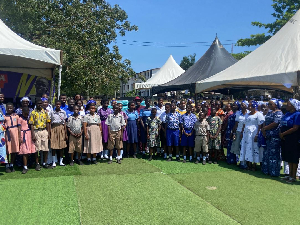 Some of the stakeholders at the event




Entertainment