West African countries are set to intensify efforts to ensure children and young people affected by conflict, displacement, climate-related disasters, public health emergencies and socio-economic shocks continue to have access to safe, quality and inclusive education.
The initiative will be at the centre of the 2nd High-Level Conference on Scaling Education Initiatives in Emergencies (EiE), West Africa, ACCELERATE+, which will bring together policymakers, researchers, education practitioners, innovators, development partners and financing institutions.
In a press release dated September 23, 2026, the conference will examine practical measures to address the growing challenges confronting education systems in crisis situations, where emergencies continue to disrupt schooling, restrict access to education and affect learning outcomes.
The conference underscores the importance of moving from successful education interventions to sustainable, system-wide solutions that can reach more children and young people, particularly those living in communities affected by crises.
“Persistent emergencies continue to disrupt schooling, limit access to education and undermine learning outcomes, with girls and other vulnerable and marginalised children often bearing a disproportionate share of the impact,” it said.
A key concern to be addressed is how to move promising education innovations beyond pilot projects and into national policies, sustainable financing frameworks and large-scale implementation.
Participants will examine which innovations are ready to be scaled up, the conditions required for successful implementation and the policy and financing mechanisms needed to integrate proven approaches into national and regional education systems.
Discussions will cover education in emergencies and resilient education systems, foundational learning, e-learning, inclusion, accelerated education, early childhood education and other innovative approaches to learning.
The conference will also focus on teacher well-being, social protection and safe learning environments, including psychosocial support, safeguarding, girls’ empowerment and peacebuilding.
Gender, youth development, skills training and pathways to work will also feature, alongside education financing and innovative resource mobilisation for fragile and crisis-affected settings.
Organisers said strengthening collaboration and sharing evidence and practical experiences across countries would help support the institutionalisation of proven education solutions and contribute to more resilient education systems across West Africa.
The initiative ultimately seeks to ensure that emergencies do not prevent children and young people from exercising their right to learn, grow and build meaningful futures.
2027 AFCONQ: Carlos Queiroz Speaks on Black Stars Selection and His Ambitions
Regional News of Wednesday, 23 September 2026
Source: www.ghanaweb.com
West Africa to scale education solutions for children affected by crises
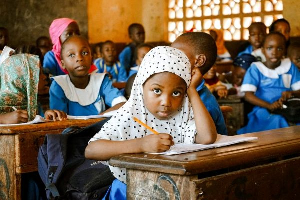 Crises must not become a barrier to children’s right to learn, grow and build a meaningful future




Entertainment