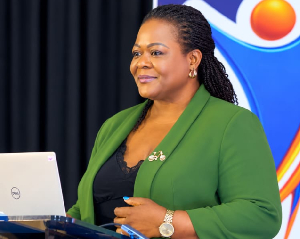
The Public Relations Officer of the National Council of the Parent-Teacher Association (PTA), Irene Sam, has appealed to private schools to review the prices of textbooks supplied to pupils to ease the financial burden on parents.
According to a report by adomonline.com on August 31, 2026, Sam said parents appreciated the quality of teaching and support provided by private schools but remained concerned about the rising cost of textbooks and other learning materials.
She said inadequate explanations of textbook prices and related school policies sometimes left parents frustrated and contributed to disagreements between parents and school authorities.
“We appreciate the teaching and the support they are giving our children. But we will plead with them to review the prices so that parents are not unnecessarily burdened,” she said.
Sam acknowledged that private schools were businesses that needed revenue to sustain their operations and reinvest in facilities and educational services.
However, she cautioned school authorities against excessive charges, stressing that the pursuit of profit should not place undue financial pressure on parents.
“We know that the school is a business venture that looks for profits, and the proceeds are sometimes reinvested in the school management and operations, but it shouldn’t be an avenue for extortion,” she indicated.
Increment in prices of books: Parents appeal for govt’s intervention
She also raised concerns about some private schools preventing parents from purchasing textbooks from the open market.
According to her, schools often justify the practice by saying it ensures that all pupils use the same textbooks and editions, enabling teachers to maintain uniformity in the classroom.
Sam, however, noted that the arrangement could create financial difficulties for parents who might not be able to purchase all the required books at once.
She explained that while some parents might seek cheaper alternatives on the open market, those books could differ from the editions recommended by the schools.
She added that delays in purchasing the required textbooks could also leave some pupils without the necessary learning materials during lessons.
“When it is procured in the schools, every child gets all the books to participate in teaching and learning,” she explained.
Sam therefore urged private school authorities to engage parents more openly on textbook pricing and consider flexible payment and purchasing arrangements to ensure that pupils have access to essential learning materials without imposing undue financial pressure on families.
MRA/BAI
Ghana’s STEM revolution and building the workforce of tomorrow
Regional News of Monday, 31 August 2026
Source: www.ghanaweb.com
PTA appeals to private schools to review textbook prices
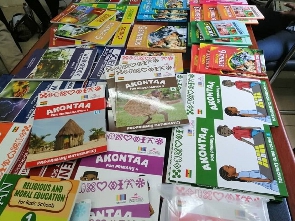 Irene Sam cautioned school authorities against excessive charges