Residents of Koru, Amegatse Kofe, and Agbadzi Kofe in the Okrakrom Electoral Area of the Kadjebi District in the Oti Region have appealed to government and relevant authorities to extend electricity to their communities to improve socio-economic activities and living conditions.
Francis Osebre, Assembly Member for the Okrakrom Electoral Area, made the appeal in an interview with the Ghana News Agency (GNA) in Kadjebi.
He said the absence of electricity in the communities continues to affect education, healthcare delivery, small-scale businesses, and security, especially at night.
Osebre explained that schoolchildren in the affected communities struggle to study effectively in the evenings, while health workers also face difficulties in attending to emergencies due to the lack of power supply.
He noted that extending electricity would improve the standard of living of residents and create opportunities for economic growth in the area.
“Electricity is now a necessity for development. Our people are finding it difficult to engage in productive ventures because there is no power,” he stated.
The Assembly Member said the communities have, for several years, relied on lanterns and other alternative sources of lighting, which are expensive and inadequate.
He appealed to the Ministry of Energy, the Electricity Company of Ghana (ECG), and the Kadjebi District Assembly to prioritise the communities under the rural electrification programme.
Some residents who spoke to the GNA expressed concern about the slow pace of development in the area due to the absence of electricity.
Akosua Nyarko, a trader at Amegatse Kofe, said the lack of electricity has negatively affected businesses, especially those requiring refrigeration and evening operations.
Desmond Tetteh, a farmer at Agbadzi Kofe, said access to electricity would encourage the youth to remain in the communities instead of migrating to urban centres in search of better opportunities.
The residents appealed for urgent intervention, saying the provision of electricity would significantly improve education, healthcare, communication, and economic activities in the area.
They expressed optimism that government and other stakeholders would respond positively to their appeal to help accelerate development in the affected communities.
Regional News of Tuesday, 26 May 2026
Source: GNA
Residents of Okrakrom Electoral Area appeal for electricity extension
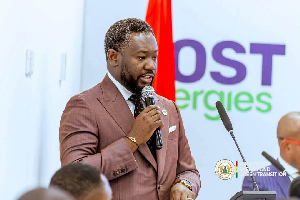
 Francis Osebre, Assembly Member for the Okrakrom Electoral Area