The Acting Executive Director of the Hotel, Catering and Tourism Training Institute (HOTCATT), Dr Eric Afornorfe, has highlighted a growing partnership between Ghana and Malaysia that is using food and culinary arts as a tool to deepen cultural exchange, strengthen tourism ties and equip hospitality professionals with globally competitive skills.
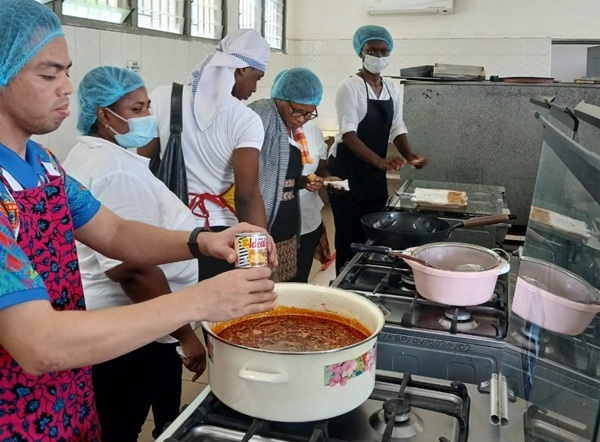
Speaking at a culinary demonstration hosted by HOTCATT in collaboration with the High Commission of Malaysia in Ghana, Dr Afornorfe said the initiative is rooted in a longstanding Memorandum of Understanding between the two countries and is creating practical opportunities for students and industry players.
“This partnership goes beyond diplomacy. It is giving our students firsthand exposure to Malaysian cooking techniques while allowing them to showcase Ghanaian cuisine, creating a meaningful exchange of culture and skills,” he said.
Dr Afornorfe noted that the collaboration is broadening the culinary competencies of HOTCATT trainees and could lead to the introduction of new menu offerings in Ghana’s hospitality industry.
He also announced that HOTCATT is entering into partnerships with technical universities, beginning with Accra Technical University, to roll out professional certification programmes targeting more than 100,000 workers in hotels and restaurants across the country.
According to him, customer service training has become a core part of HOTCATT’s curriculum, in line with President John Dramani Mahama’s call for improved service standards in Ghana’s tourism and hospitality sector.
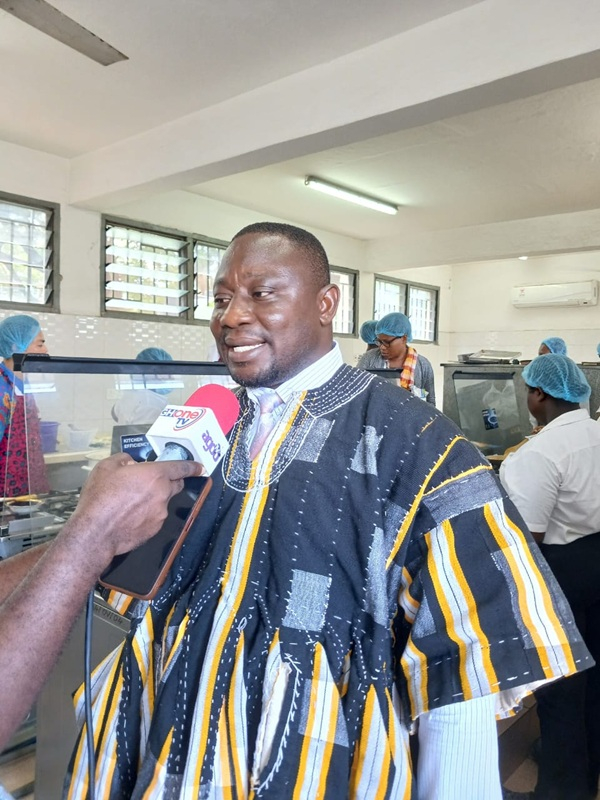
The Secretary to the High Commission of Malaysia in Ghana, Raja Afi, said Malaysia and Ghana have been working closely for nearly two years to deepen cooperation, particularly in the food and tourism sectors.
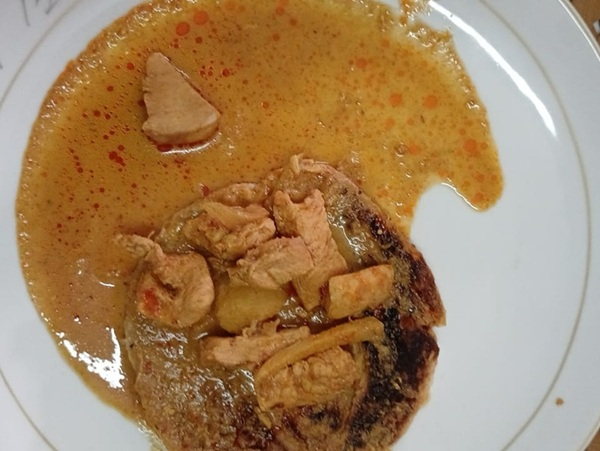
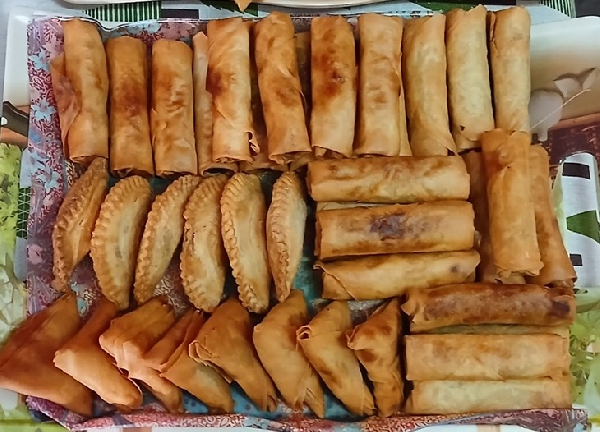
As part of the initiative, Malaysia introduced a range of halal-certified frozen food products, including samosas, spring rolls, flatbread and curry puffs, to the Ghanaian market.
Raja Afi explained that the products are sponsored by the Federal Agricultural Marketing Authority (FAMA), which promotes Malaysian products internationally.
“All FAMA products carry halal certification, which reflects globally recognized standards of hygiene and quality,” he said.
He added that Malaysia is working with Ghana’s Halal Bureau Certification to support the development of a stronger halal certification ecosystem in Ghana.
According to Raja Afi, halal certification presents significant economic opportunities for Ghanaian food producers and caterers by granting access to the global halal market, estimated at about US$3 trillion.
“This is not only a cultural exchange programme, but also a business opportunity for Ghanaian enterprises looking to enter international markets,” he said.
Head of Public Relations at the Ministry of Tourism, Culture and Creative Arts, Delassie Mabel Awuku, praised the collaboration between HOTCATT and the Malaysian Halal Food Group, describing it as a valuable initiative that expands students’ culinary horizons.
She said the ministry, under the leadership of Tourism, Culture and Creative Arts Minister Abla Dzifa Gomashie, remains committed to supporting programmes that promote culture through food and hospitality.
Awuku noted that food is more than nourishment; it is a powerful cultural expression that tells the story of a people and builds bridges between nations.
She also stressed that excellent customer service is as important as food quality.
“The dining experience begins with how customers are treated,” she said, urging hospitality providers to remain warm, professional and accommodating.
The HOTCATT–Malaysia collaboration forms part of broader efforts by both countries to leverage tourism, culinary arts and professional training to strengthen bilateral relations and create new economic opportunities.
For Ghanaian hospitality students and industry practitioners, the initiative offers exposure to international best practices while positioning local businesses to tap into the rapidly expanding global halal food market.
Regional News of Wednesday, 20 May 2026
Source: MOTCCA
Dr Afornorfe leads HOTCATT-Malaysia culinary collaboration
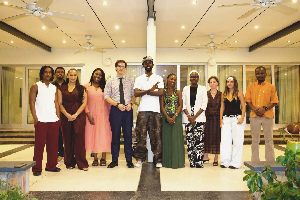
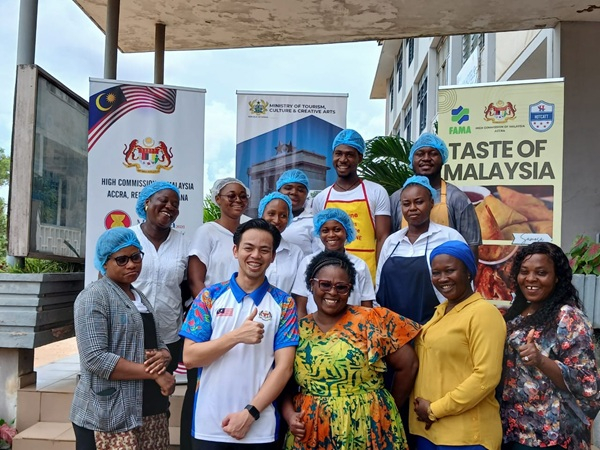
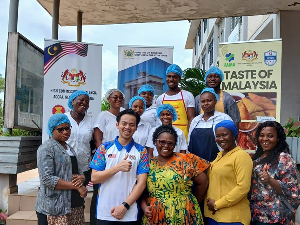 Some of the participants after the culinary demonstration hosted by HOTCATT