The Muslimah Mentorship Network (MMN), a non-profit organization spearheading the empowerment of young girls in Muslim communities has offered Mentorship support to students of the Al-Azhariyya Islamic Senior High School at Tafo in the Ashanti Region.
The Network empanelled resource persons ranging from a Midwife, a medical doctor and a broadcast journalist who took the students through impactful topics towards their future.
The event was targeted at final year students of the school who will be sitting for this year’s West African Senior High Schools Certificate Examination (WASSCE) and young girls.
The in-person mentorship programme aimed at promoting adolescent well-being has been held as part of activities marking the network’s efforts to empower young girls and also intensify awareness creation on the need to take up future and make bold decisions.
The initiative, themed “Nurturing Well-being Through Healthy Practices,” brought together professionals from health, media and law to engage adolescent Muslim girls, largely preparing for the WASSCE, on critical issues affecting their academic success, personal development and overall well-being.
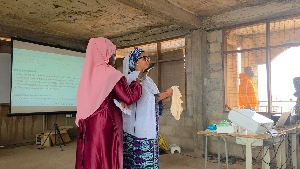
A Broadcast journalist and mentor, with Citi Fm and Channel One TV, Hafiz Tijani, led discussions on focusing on exams and life beyond school engaged the students on preparing for the West African Senior School Certificate Examination(WASSCE), emphasizing effective study strategies, time management and how to manage exam-related pressure.
He encouraged the students not to define their entire future by examination results, highlighting multiple pathways available after WASSCE, including higher education, technical and vocational training, entrepreneurship and self-development.
Participants were also urged to think intentionally about their career goals and personal growth from an early stage.
On Menstrual Health and Hygiene, Midwife, MemunaIzzudeen facilitated sessions on menstrual health and reproductive hygiene, addressing a topic often considered sensitive in many communities.
She educated the girls on proper menstrual hygiene management, safe product use and disposal, and personal hygiene practices.
The session was also used to clarify some common myths surrounding menstruation and highlighted signs of infections, stressing the importance of seeking timely medical care.
Participants were encouraged to speak openly about menstrual health without shame, creating a safe and supportive environment for discussion.
A Medical Doctor at the Komfo Anokye Teaching Hospital (KATH), Dr Ilham delved on the session focusing on Nutrition and holistic well-being where she guided students through practical approaches to nutrition and preventive care.
She emphasized the importance of balanced diets rich in iron and calcium, hydration, and the role of affordable local foods such as kontomire, beans, eggs and fruits in maintaining good health.
She also highlighted the link between diet, sleep, emotional well-being and academic performance, urging students to adopt sustainable healthy habits.
Legal practitioner Shafawu Baba Dua joined the session virtually to educate participants on their rights under Ghanaian law.
Her presentation covered legal protections related to education, health, child marriage, sexual harassment and abuse, as well as guidance on how to safely report violations and access legal support.
The session reinforced the message that the law exists to protect girls and that they have the right to seek help when needed.
Organizers noted that the mentorship sessions were intentionally designed to create a safe and inclusive environment, allowing participants many of whom had never openly discussed such topics to engage freely.
The students demonstrated improved understanding of menstrual health, personal hygiene, nutrition and their legal rights, while also gaining confidence to make informed decisions about their health and future.
They were also given opportunity to ask questions and clarify some issues bothering their minds.
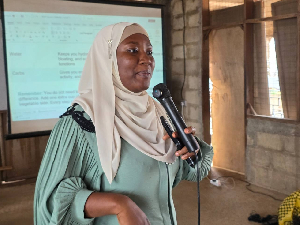
The programme concluded with a reflective message encouraging the girls to view self-care as a lifelong responsibility.
Stakeholders believe such mentorship initiatives are critical in equipping young girls with the knowledge, confidence and practical tools needed to succeed academically and lead healthy, empowered lives.
Regional News of Wednesday, 29 April 2026
Source: Muslimah Mentorship Network
MMN empowers Al-Azhariyya Islamic SHS students on education, health and rights
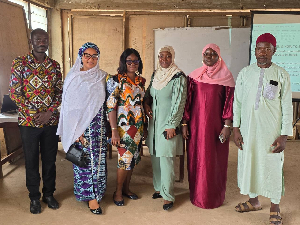 Some members of the Muslimah Mentorship Network during the event



Entertainment