Numo Kofi Okassa Diaka II, the Wulomo of the Ga Traditional Area in Abese, has called for urgent government intervention to address youth disengagement and rising land disputes in Accra.
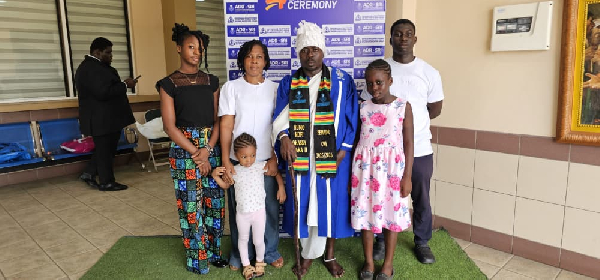
Speaking at his graduation from the Executive Professional Masterclass in Alternative Dispute Resolution and Security & Research (ADR-SRI) and his induction into the National Association of Mediators, ADR Practitioners and Global Peace Initiatives, he expressed deep concern about the growing number of young people who are not enrolled in formal education, vocational training, or meaningful social activities.
According to him, the increasing rate of youth disengagement poses a serious threat to social stability within the Ga State and across Ghana.
He urged the government to take decisive and proactive measures to ensure that all young people are either in school or undergoing skills training programmes.
Numo Okassa Diaka II noted that empowering the youth through structured education and vocational development would significantly reduce social unrest, vulnerability and future conflicts including disputes between tenants and landlords.
The Ga traditional leader also appealed to authorities to urgently address the growing issue of land litigation in Accra, describing it as a major challenge affecting residents, particularly migrants and vulnerable families.
He explained that prolonged land disputes often result in insecurity, unlawful evictions and instability within communities.
He further cautioned against verbal attacks and tribal sentiments during disputes, stressing that inflammatory and ethnically charged remarks only deepen divisions and escalate tensions.
He urged all parties to prioritise lawful dialogue, mutual respect and mediation as the preferred means of resolving grievances.
On global affairs, he observed that conflicts in the Middle East did not begin overnight and will not end overnight.
Referencing tensions involving the United States, Israel and Iran, he called for restraint and consideration of the humanitarian consequences of military actions.
Regional News of Tuesday, 3 March 2026
Source: Geroge Owusu, Contributor
Numo Kofi Okassa Diaka II calls for urgent action on youth disengagement, land disputes
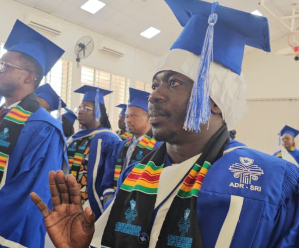 Numo Kofi Okassa Diaka II, the Wulomo of the Ga Traditional Area in Abese