The history of how the Asantes discovered yam dates back to the 16th century, originating from the sacred land of Ejura in the Asante Kingdom.
According to Nana Akua Tiwaa II, the Queen Mother of Ejura, hunters from Ejura were the first to discover yam.
In ancient times, hunters would build temporary shelters in the forest, known as “Ennanso,” where they would prepare game and send it back home.
One such hunter, Nana Boakye, from the Ejura royal lineage, stumbled upon wild boars digging up something from the ground. After killing the boars, he discovered an edible root, which was initially called “Sekyerene” and later came to be known as “Bayere” yam.
The hunters brought some of the yams back home, tested their edibility, and began consuming them.
The traditional preparation and sharing
In those days, yam was prepared exclusively by the wife of the hunter’s son, known as “Boffuo Ba Yere.” The dish was then shared among household and community members.
As people enjoyed the food, they would identify its source by saying “Boffuo Ba Yere no Aduane,” meaning “the wife of the hunter’s food.” Over time, the people came to call it “Bayere.”
The evolution of yam
The wild yam, initially known as “Sekyerene” and later “Bayere,” has undergone significant changes over time, giving rise to various yam varieties, including: Pona, Serwaa, Dente, Esum ne Hyen, Afase, Apoka, and Afum.
The Ejura Sekyerene Festival
To commemorate the discovery of yam, the people of Ejura celebrate the Ejura Sekyerene (Yam) or Bayere Festival every year, typically in October.
During the festival, chiefs and the people of Ejura come together to champion developmental projects, showcasing the cultural and traditional significance of yam.
Meanwhile, catch the highlights of Sarkodie x Shatta Wale’s epic performance at Rapperholic Homecoming on GhanaWeb TV below:
Regional News of Monday, 6 October 2025
Source: otecfmghana.com
The ancient history of how Ashantis discovered yam at Ejura and later named it 'bayere'
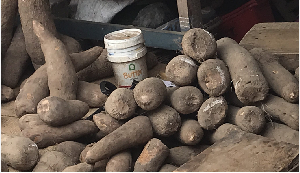 File photo of tubers of yam