The Reverend Father Dogli Memorial Technical Institute from the Oti Region has emerged as the overall winner of the Southern Sector STEM Plastic Waste Competition for Catholic Senior High Schools in Ghana.
Held in Accra on August 5, 2025, the competition brought together brilliant young minds to pitch creative solutions to Ghana’s growing plastic waste crisis.
Also in contention were St. Catherine Catholic Girls Senior High School, St. Michael Senior High School, St. Margaret Mary Senior High Technical School, and St. Gregory Senior High School.
St. Gregory Senior High School claimed second place in the highly competitive event.
Madam Berthy Buah, Regional STEM Coordinator at the Ghana Education Service, said STEM education is designed to empower students to be problem-solvers and environmental stewards.
She expressed optimism that such initiatives would inspire a deeper sense of responsibility among the youth.
“I am really impressed with these innovative minds; you can see that a lot of thinking has gone into this,” she said.
Organized by the Catholic Education Unit in collaboration with Konrad Adenauer Stiftung (KAS) and other partners, the event provided a platform for students to develop sustainable innovations using plastic waste.
Students showcased a range of impressive products, including plastic greenhouses, raincoats, bricks, flower vases, umbrellas, bags, baskets, and decorative items, all made from repurposed plastic.
Dr. Joseph Agyapong Darmoe, Programmes Director at KAS, lauded the creativity on display, describing the innovations as “surprising.”
He emphasized the urgency of the plastic waste problem, pointing out that Ghana generates an estimated 840,000 metric tonnes of plastic waste annually, exceeding the country's cocoa output.
“The rate at which plastic waste is polluting our oceans is frightening. This contest is a strong step toward encouraging the youth to find real, sustainable solutions,” Dr. Darmoe said.
Francis Batadjan, General Manager of Catholic Schools in Ghana, said the contest served as more than a competition; it was a “wake-up call” to rethink waste management practices.
He urged students to continue developing ideas that would benefit their communities and the nation at large.
Regional News of Thursday, 7 August 2025
Source: www.ghanaweb.com
Rev Father Dogli Memorial Institute tops Catholic STEM contest with plastic waste innovations
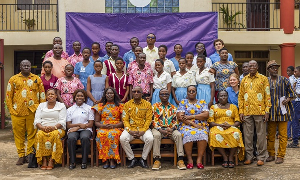 Officials in a pose with some participants




Entertainment