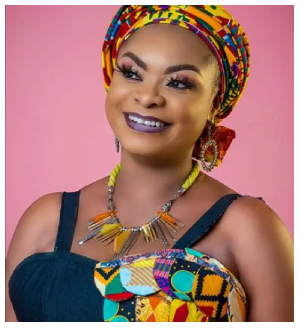
When Katherine K. Millar turned 29, she could have chosen the kind of celebration many dream of jetting off to Dubai or Europe for a luxurious getaway.
Instead, she made a quiet but powerful decision: to spend her birthday in Bolgatanga, in Ghana’s Upper East Region, where children with neurodevelopmental challenges often live in the shadows of stigma and silence.
That choice sparked the birth of the Go North Medical Outreach Programme, a groundbreaking initiative that is now changing lives across Northern Ghana.
In many communities across the north, children born with developmental delays are met not with care, but with fear and misunderstanding.
Struggles with speech, movement, or social interaction are often misinterpreted as signs of witchcraft.
Families may abandon these children or subject them to harmful traditional practices. But thanks to the Go North initiative, a quiet revolution is underway, one that replaces myths with knowledge and despair with hope.
Launched in 2023 by Millar and her husband, Professor Mamudu Akudugu, under the MEEIDIK Smilehub Foundation, the outreach programme brought together a coalition of partners including the Millar Institute for Transdisciplinary and Development Studies (MITDS), Klicks Africa, Mission Pediatrics, and Rise Ghana.
Their mission was clear: to bring medical and therapeutic care to children who had long been overlooked.
The scale of the challenge was daunting. Disorders such as autism, ADHD, cerebral palsy, intellectual disability, and epilepsy affect thousands of Ghanaian children.
In 2022 alone, the Ghana Mental Health Authority recorded over 20,000 cases. While the numbers are slowly declining, experts warn that without sustained intervention, many children will continue to fall through the cracks.
Dr. Marilyn Marbell Wilson, a neurodevelopmental pediatrician who led the medical team, described the heartbreaking reality.
“Parents often come to us after trying everything else, sometimes even harmful concoctions. This outreach gave families access to proper diagnosis and management plans for the very first time.”
Between 2023 and 2024, more than 300 children were screened in Bolgatanga, ranging from infants to teenagers. The findings were sobering: dozens of children faced speech delays, motor coordination issues, restrictive behaviours, and even self-harm. But the outreach didn’t stop at diagnosis.
Parents were trained in practical home strategies, therapists taught them how to build assistive devices using local materials, and nutritionists showed how everyday foods like millet and beans could support development.
For many families, it was a moment of clarity and relief. One mother, overcome with emotion said, “We thought my son’s condition was spiritual. Now I know it’s medical, and I know how to help him.”
The impact extended beyond the medical tents. The Bolgatanga Special School received a Polytank for clean water, refurbished classroom furniture, and a new toilet facility. One child born without a throat received life-saving surgery. A teenage girl with Hepatitis C was adopted and treated.
A young student is now training to become a speech therapist, ensuring that the work continues.
Yet, the outreach also revealed deep gaps. Specialized pediatric care is still rare in Northern Ghana.
Many families cannot afford long-term therapy, and cultural beliefs continue to discourage early intervention.
The medical team is calling for structured follow-up systems, community sensitization, regional investment in pediatric services, and integration of awareness into antenatal care.
The success of the programme was made possible by a network of collaborators. Prof. David Millar and the MITDS team provided local support, while experts from Accra mobilized through Mission Pediatrics and Klicks Africa. Rise Ghana connected families with caregivers, and the Bolgatanga Regional Hospital offered institutional backing.
Now, as the third edition of the outreach unfolds in Wa, Upper West Region, one message rings clear: change is possible.
Children once dismissed as “cursed” are now being seen, supported, and celebrated. “Every child deserves a chance to reach their potential,” said Ms. Millar.
“This is only the beginning. Our dream is to expand this work across Northern Ghana so no child is left behind.”
A defining feature of the outreach is the generosity of the medical team, who offered their services pro bono. Specialists traveled from across the country, giving their time and expertise freely.
“Without their sacrifice, this would not have been possible,” said Prof. Akudugu. “They gave their time, skills, and hearts.”
To keep the momentum going, the organisers are calling on Corporate Ghana to step in.
“If even a fraction of CSR budgets were directed toward this cause,” said Prof. David Millar, “countless children’s lives could be transformed.”
What began as a birthday wish has become a beacon of hope. And for families in Northern Ghana, that light is growing brighter, one diagnosis, one therapy, and one empowered parent at a time.
Watch the latest edition of BizTech below:
Regional News of Saturday, 13 September 2025
Source: Ato Kwamina, Contributor
How one woman’s choice is transforming lives in Northern Ghana
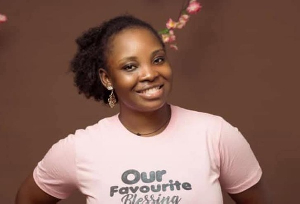 Katherine K. Millar is a philanthropist



Entertainment