The Ashanti Regional Minister, Dr Frank Amoakohene, has secured a funding partnership with the United Nations Population Fund (UNFPA) to mainstream adolescent and youth-centred programmes into the region’s development agenda.
The initiative is aimed at ensuring that the needs and priorities of young people are strategically captured in the Medium-Term Development Plan (MTDP) currently being prepared, addressing long-standing gaps where youth concerns were often overlooked in formal district planning processes.
As part of the arrangement, the National Youth Authority has been tasked with coordinating and overseeing the inclusion of young people, ensuring their active participation in the planning process rather than treating them as passive beneficiaries.
In furtherance of this goal, youth representatives from the Kumasi Metropolitan Assembly, Kwadaso Municipality, Atwima Nwabiagya Municipal Assembly and Ahafo Ano South East District have developed and submitted formal proposals to the Regional Minister and the Chief Director.
The proposals outline priority interventions and support areas that the youth want implemented over the medium term.
Speaking during the Adolescent and Youth-led “Our Region – Our Development” advocacy sessions held in Kumasi between youth leaders and the Ashanti Regional Coordinating Council, Beatrice Kwarteng Osei Asare, a Planning Officer at the Council and UNFPA Focal Person, observed that while many District Assemblies have detailed development plans, they often lack clear, targeted provisions for young people.
She noted that the current planning year presents a unique opportunity to involve the youth directly, enabling them to monitor implementation and protect their interests as projects are rolled out.
Planning officers from the beneficiary districts, together with regional officials and representatives of the Ghana AIDS Commission, are expected to incorporate the youth proposals into their respective District Medium-Term Development Plans. These district plans will subsequently feed into the Regional Integrated Medium-Term Development Plan.
Asare explained that the bottom-up approach acknowledges young people as the largest demographic group and positions them as drivers of development rather than sidelining them in plans crafted solely by older generations.
She added that the overarching objective of the initiative is to instil a sense of ownership among the youth and empower them to track and influence the implementation of development interventions across the region.
Regional News of Thursday, 18 December 2025
Source: classfmonline.com
Ashanti Region secures UNFPA support to integrate youth into development planning
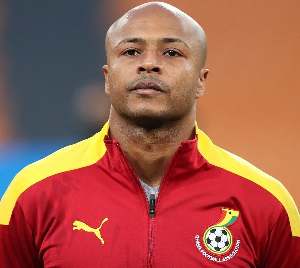
 Dr Frank Amoakohene is the Ashanti Regional Minister