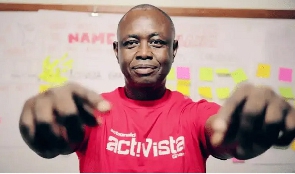
A New Patriotic Party (NPP) activist, Timothy Gariba, has made a major U-turn on allegations and attacks he directed at Charles Cromwell Nanabanyin Onuawonto Bissue, a former presidential staffer, admitting that his claims were false, while also expressing gratitude to him for rather helping to safeguard his future.
Gariba, who now lives in the United States, said in an audio made available to GhanaWeb that he has reflected on his conduct during the 2020 political tensions in the Tarkwa-Nsuaem Constituency, where he supported former Member of Parliament George Mireku Duker.
He recalled being involved in attacks against Bissue, Gifty Eugenia Kusi and Moses Parker, the owner of Medeama Sporting Club, among other prominent personalities.
‘Buuuuulu’- Anger as netizens blast NDC Communicator over ‘he’s a rapist, so what?’ comment
According to Gariba, those involved were encouraged to target influential or outspoken individuals perceived to be unsupportive of Mireku Duker.
He has since acknowledged that the allegations he made were lies, saying he was younger at the time and has now matured enough to appreciate the consequences of his actions.
Although Gariba retracted the allegations and apologised in 2020, his renewed account places particular emphasis on his appreciation for Bissue's decision to forgive him rather than pursue the matter in a manner that could have jeopardised his future.
Background
The controversy became public in September 2020, when Gariba, then a member of the Tarkwa-Nsuaem NPP Constituency Communication Team, was arrested and detained by the Western Regional Police Command following a complaint by Bissue.
At the time, Bissue was a presidential staffer and the NPP Western Regional Secretary.
His personal aide, Kweku Sagoe, explained that the complaint was not primarily about insults directed at his boss but about an audio recording allegedly circulated by Gariba on social media in which he threatened Bissue.
Gariba's arrest triggered protests from some NPP members and sympathisers, who accused Charles Bissue of undermining the party in Tarkwa-Nsuaem and alleged that he was supporting an independent parliamentary candidate against Mireku Duker.
The aggrieved supporters questioned why a senior party official would involve the police in a dispute with a fellow party member rather than use the party's internal structures to resolve it.
They also called on then-President Nana Addo Dankwa Akufo-Addo to remove Bissue from his position at the Presidency, threatening to suspend their campaign activities if their demand was not met.
Bissue, through Sagoe, rejected the allegations that he was supporting an independent candidate against the NPP's parliamentary candidate, describing the claims as unfounded.
Gariba recounts intervention and forgiveness
In his latest account, Gariba recalled that he was initially advised not to honour a police invitation because some senior police officers had allegedly already been contacted.
He said he followed the advice but changed his assessment of the situation when an arrest warrant was subsequently issued, admitting that he had foolishly listened to those who advised him.
According to Gariba, “Mireku Duker organised party supporters to accompany him to the Western Regional Police Command in Sekondi after the warrant was issued.”
He further recounted that he was advised to seek the intervention of Nana Kobina Nketsia V, Omanhene of the Essikado Traditional Area, to help resolve the dispute.
At the traditional ruler's palace, Gariba was reportedly asked to present drinks and a sheep to Bissue as part of a customary gesture of pacification.
However, Bissue declined the items and asked Gariba to take them away, explaining that he did not want to destroy the future of a young person.
That decision, Gariba said, has remained significant to him.
"I believe that if Bissue had pursued the criminal aspect of the matter, I could have faced a conviction with potentially lasting consequences for my employment opportunities and ability to travel abroad," he stated.
Gariba also expressed appreciation for being spared the emotional and psychological burden that could have accompanied the dispute and its resolution.
Drawing on his experience, Gariba has urged young people to avoid insults, threats and false allegations against political opponents or perceived adversaries.
He cautioned the youth against allowing themselves to be used to attack prominent personalities in the name of political loyalty, warning that assurances of protection from influential individuals may not shield them from the consequences of their actions.
He encouraged young people to build their reputations through truth, respectful political debate and service to their communities rather than conduct that could damage their future prospects.
Inside Ghana’s Abandoned Engineering Powerhouse: What Went Wrong?
Politics of Wednesday, 21 October 2026
Source: Bismark Arthur, Contributor
NPP activist makes major U-turn on 2020 allegations, insults against Charles Bissue
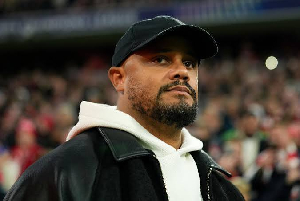
 Cromwell Nanabanyin Onuawonto Bissue, former Presidential Staffer