Ghanaian MPs have long been expected to do more than legislate. Attending funerals, paying medical bills, and helping families are part of an unwritten bargain: voters offer support and expect their representatives to stay available and engaged in community life.
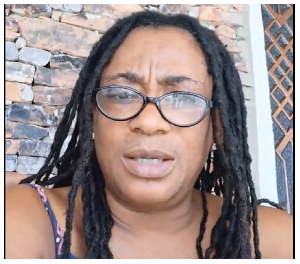
Kwame Asare Obeng, known as A-Plus, challenges parts of that bargain. The musician and outspoken commentator won the Gomoa Central parliamentary seat as an independent in 2024, bringing his confrontational public style into Parliament.
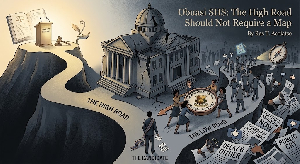
I call this approach Apluscracy: a political style marked by personal independence, blunt communication and resistance to traditional voter-pampering. It raises a question that extends beyond one MP: can a politician remain authentic while fulfilling the responsibilities of representation?
Authenticity and public responsibility
A-Plus built his reputation by challenging powerful people. Entering Parliament did not end that habit. In January 2025, he responded to critics of his communication style by suggesting that those who thought they could do better should run for office themselves.
Yet public office requires more than personal expression. In May 2025, he apologized to Attorney-General Dominic Ayine for his language in a Facebook post, deleted the post, and accepted responsibility, while continuing to accuse Ayine of theft and corruption on X.
The episode exposes a tension within Apluscracy. Speaking freely can conflict with the restraint expected of an elected representative. Authenticity does not remove the obligation to answer for one’s words.
Rejecting patronage while remaining responsive
Constituents often seek school fees, funeral contributions and help accessing public services from MPs. Although these expectations extend beyond formal parliamentary duties, meeting them can sustain electoral support.
But should MPs be judged by personal generosity or by how effectively they advance collective interests? A 2024 study in African Affairs surveyed 2,020 Ghanaians across 12 constituencies about hypothetical parliamentary candidates. Respondents valued politicians who listened and represented them effectively and preferred resources directed toward public goods rather than private benefits.
Those findings challenge the assumption that voters mainly want gifts. People may need immediate assistance while also expecting roads, schools, healthcare and effective representation.
Apluscracy questions whether personal favors should measure political commitment. That challenge is useful only if it preserves responsiveness. Refusing patronage may resist dependency; becoming inaccessible or dismissive fails. Constituents. An MP must still listen and act on shared concerns.
Independence and accountability
Although elected as an independent, A-Plus aligned with the National Democratic Congress parliamentary caucus in January 2025 after criticizing the New Patriotic Party’s leadership. In an April 2026 interview, he explained that running independently protected his freedom to think and speak for himself.
Parties provide policy direction, resources, and parliamentary coordination, but their discipline can constrain individual judgment. Independent MPs can question allies and introduce ideas that party loyalists might avoid.
Independence nevertheless carries obligations. A politician free from party orders must explain decisions and show how they serve the public. Freedom from party control is not freedom from accountability.
Visibility and representation
Social media allows politicians to address voters directly, challenge critics, and build followings beyond traditional party structures. For A-Plus, it extends to an established public persona.
Confrontation can signal boldness and independence, but it can also turn policy debates into personal disputes. Attention gained through provocative language may distract from the work constituents need to do.
Online visibility, therefore, tells voters little about effective representation: the relevant questions concern parliamentary work, government oversight, constituency engagement and the use of public power.
Beyond one politician
The style described by Apluscracy is not unique to A-Plus. Across democracies, politicians use anti-establishment rhetoric and personal independence to appeal to people dissatisfied with conventional politics.
In Ghana, however, MPs operate within strong family, religious and traditional networks. Many constituents see their representative as a community leader and mediator as well as a lawmaker. Rejecting personal favors does not have to mean withdrawing from community life.
A more constructive approach would replace reliance on individual handouts with transparent community development and regular town hall meetings. Voters could assess MPs based on their legislative work, oversight, and efforts to secure public goods, while still expecting accessible leadership.
Apluscracy helps examine these expectations, rather than simply celebrating confrontation or dismissing unconventional politicians. Its central test is whether personal authenticity strengthens public service.
Politicians may challenge patronage, party structures and established styles of communication. Their responsibility to represent the public remains.
Author note
Apluscracy is a proposed analytical concept, not an established political science theory. It invites discussion of authenticity, patronage, and the responsibilities of elected representatives in Ghana.
Suggested further reading
What do voters want from their legislators? Evidence from Ghana. African Affairs, 2024.
Who spends what and why? The Constituency Project Fund and electoral politics in Ghana. Social Sciences & Humanities Open, 2024.
A-Plus: I chose independence to think freely. Citi Newsroom, April 2026.
Opinions of Monday, 28 September 2026
Columnist: Abu Ghazzal Ridwan Asante
Apluscracy and the changing expectations of Ghanaian politics
 Abu Ghazzal Ridwan Asante is the author of this article